
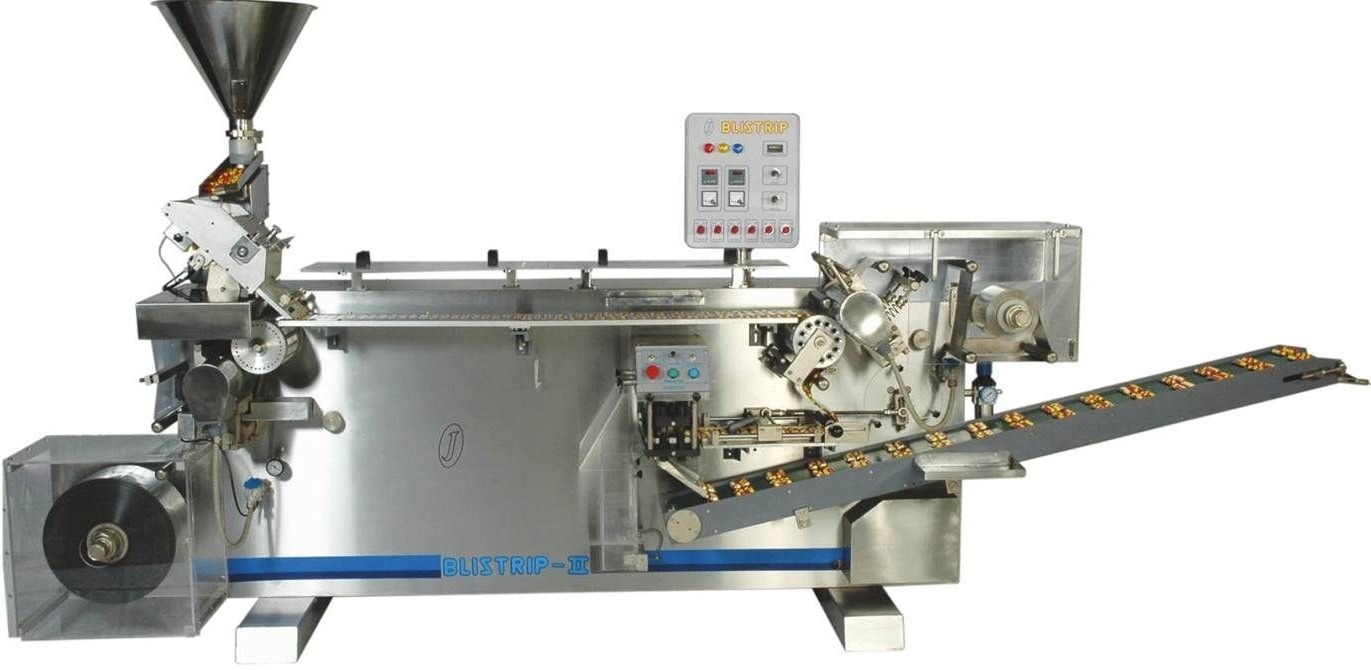
Flat plate blister systems can serve different production situations, from development and smaller batches to higher-output commercial packaging, depending on the configuration selected.
The flat plate approach uses intermittent forming, sealing, indexing and punching operations. This makes the machine configuration closely connected to pack dimensions, tooling and the intended production application.
When comparing a Flat Plate Blister Packing Machine Manufacturer, buyers should first establish whether the requirement is development-oriented, small-batch or commercial production. Jicon's Saudi portfolio includes flat plate models positioned for different production scales.
Packaging material is another important variable. The Saudi product information describes configurations suitable for Alu-Alu and PVC-Alu blister formats, with equipment options depending on the application.
Product feeding should also be examined. Tablets, capsules, dragees and certain other products can require different feeding arrangements, so the machine should be configured around the physical characteristics of the product.
For manufacturers handling multiple pack designs, changeover time can influence the value of the equipment. A straightforward transition between formats may support better utilisation of the production schedule.
The right flat plate machine is therefore determined by more than its basic operating principle. Product type, pack format, production scale, material and tooling requirements all contribute to the decision.
For flat plate blister packaging requirements, discuss your production scale, product format and packaging materials with Jicon Technologies Pvt Ltd in Saudi Arabia.