
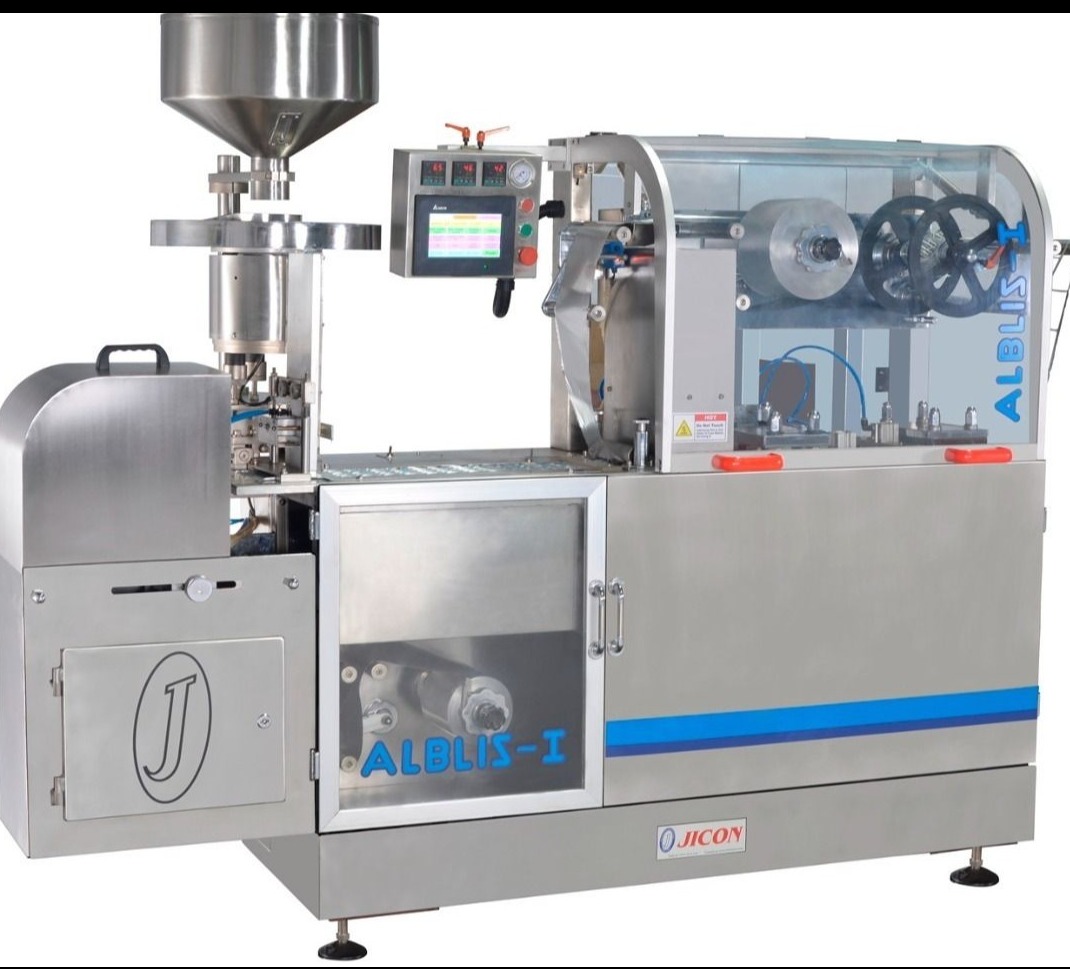
Automatic blister packaging is a combination of product handling and material processing, so equipment selection should begin with the intended pack rather than the machine's automation level.
The product determines feeding requirements, while cavity dimensions and packaging materials influence forming and sealing. These factors work together to determine the practical machine configuration.
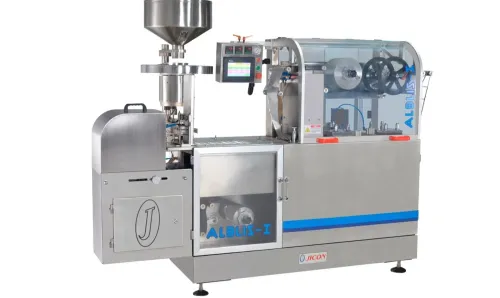
When evaluating an Automatic Blister Packing Machine Manufacturer, procurement teams should define the finished pack, including product dimensions, cavity arrangement, packaging material and expected output.
Automation can reduce repetitive manual handling and provide a coordinated packaging sequence. However, facilities producing multiple products should also examine changeover because tooling and adjustments can influence the usable production schedule.
A manufacturer should also distinguish between continuous production and varied batch requirements. A high-output configuration may be appropriate for long production runs, while flexibility can become more valuable when formats change frequently.
Feeding technology deserves particular attention. The appropriate arrangement depends on product characteristics, and specialised feeding may be required for products that do not behave consistently with standard tablet or capsule handling.
Packaging quality depends on stable forming and sealing as well as accurate product placement. These stages should therefore be assessed together rather than independently.
The final procurement decision should balance output, flexibility, packaging material compatibility, changeover and maintenance.
A detailed technical requirement makes it easier to compare machine proposals according to the actual production objective and reduces reliance on generic capacity claims.
For an automated blister packaging configuration matched to your products and production needs, discuss the application with Jicon Technologies Pvt Ltd in Uzbekistan.