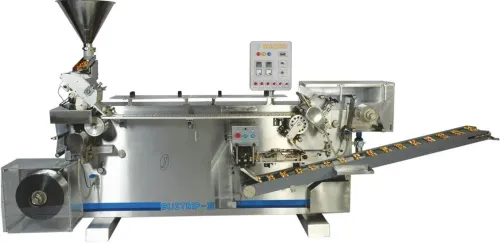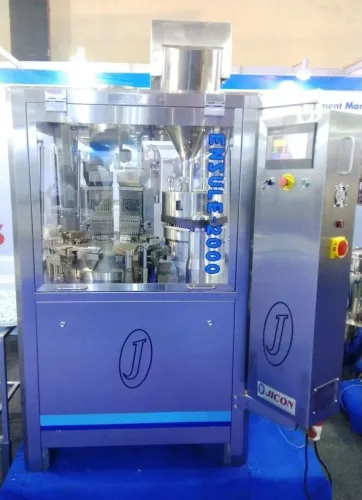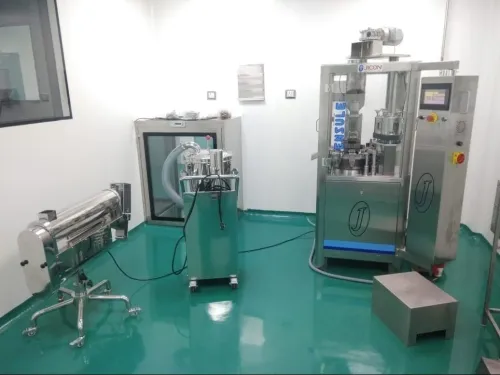

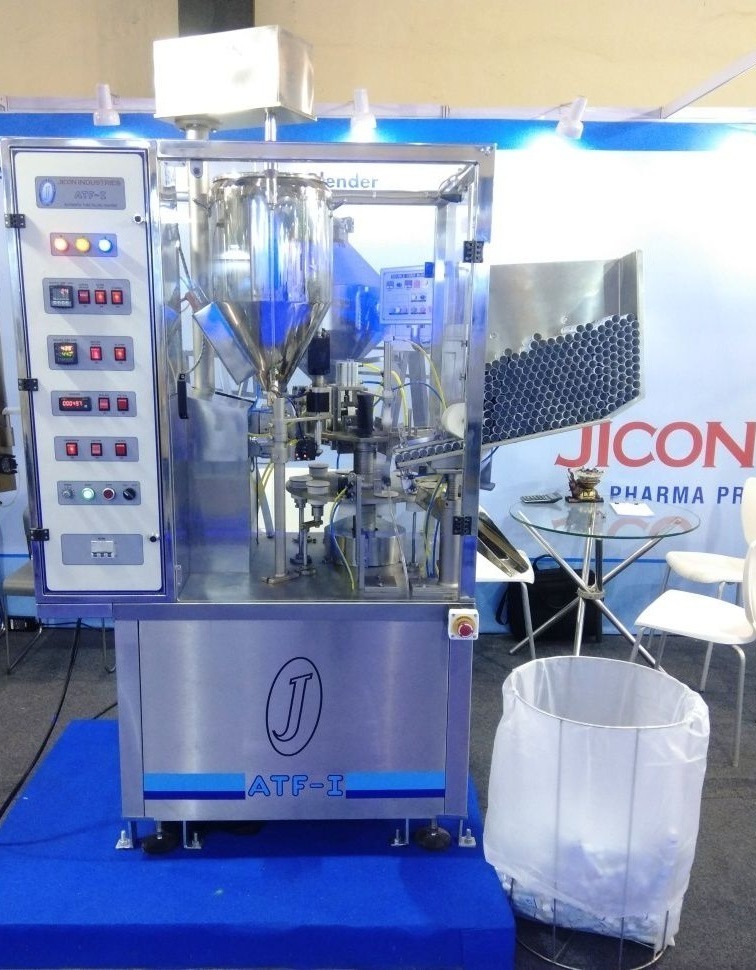
Automatic tube filling is most effective when dosing, tube positioning and sealing work as one coordinated process suited to the formulation and packaging format.
For pharmaceutical and personal-care manufacturers, tube filling involves several variables that should be defined before equipment selection. Product viscosity, fill volume, tube material, tube diameter and production frequency can all influence the required configuration.
When evaluating an Automatic Tube Filling Machine Manufacturer, procurement teams should first establish the actual product range. A facility producing thick ointments may have different filling requirements from one handling lighter gels or creams.
Tube material also affects the process. Plastic, laminated and aluminium tubes can require different sealing approaches, so the machine should be assessed against the containers that will actually be used.
Automation becomes particularly useful when repetitive loading, filling and sealing activities need to follow a consistent sequence. However, the value of automation depends on production volume and product variation. A highly automated system may be unnecessary for a low-volume operation, while a growing production line may benefit from reduced manual intervention.
Changeover is another practical consideration. Where several tube sizes or products are manufactured, the time required for adjustments can influence actual production efficiency.
The best procurement decision therefore connects the formulation, tube specification and expected output before comparing machine models. This creates a clearer technical basis for supplier discussions and reduces the risk of selecting equipment around a single specification.
For automated tube-filling requirements, discuss your formulation, container formats and production objectives with Jicon Technologies Pvt Ltd in Vietnam.