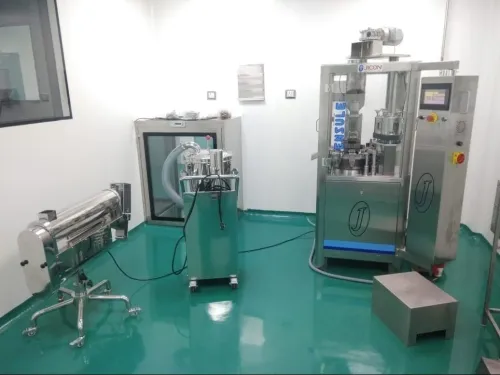

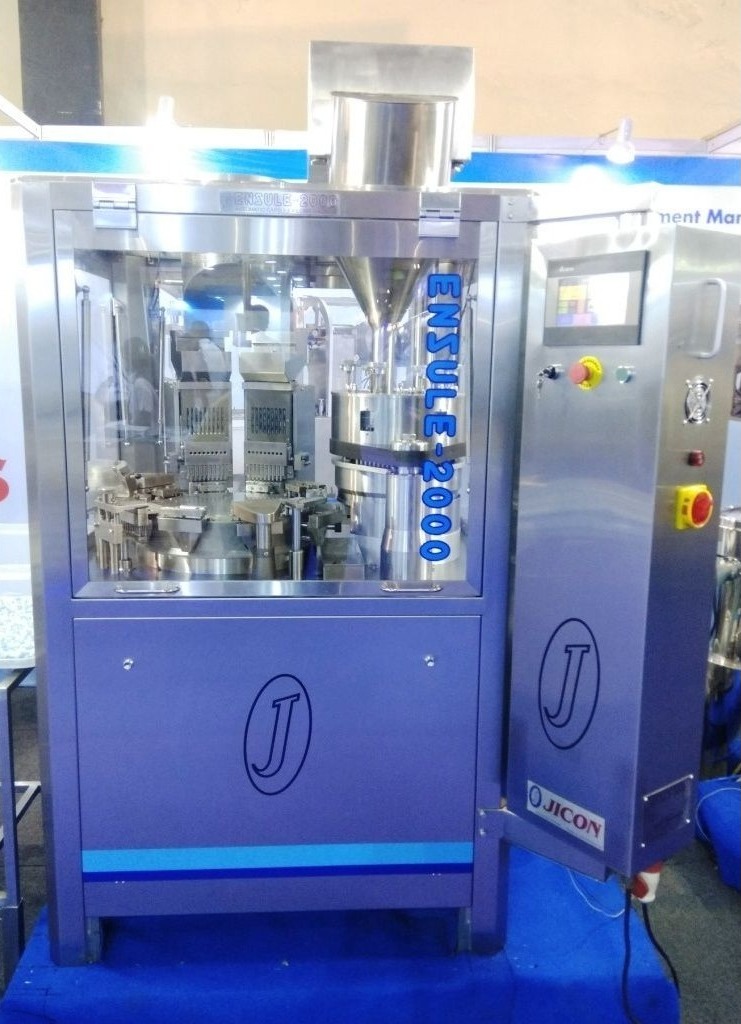
Capsule filling equipment should be matched to the material being dosed, capsule format and production workflow to achieve a practical balance between consistency and productivity.
Powders, pellets and granular materials can behave differently during filling. Their flow characteristics and handling requirements can therefore influence equipment selection and operating conditions.
When comparing a Capsule Filling Machine Manufacturer, procurement teams should establish which capsule sizes will be produced and whether the facility expects to manufacture one product or several formulations.
Multiple capsule formats can make changeover an important consideration. Tooling requirements, adjustment procedures and preparation time may affect productive capacity even when the machine itself performs consistently.
Production scale should also guide the automation decision. A smaller operation may value flexibility and straightforward operation, while a higher-volume facility may place greater importance on continuous processing and reduced manual intervention.
The filling machine should also be considered as part of the downstream workflow. Filled capsules may require subsequent handling, inspection or polishing before final packaging, so the equipment needs to fit naturally into the wider production sequence.
Cleaning and maintenance should be included in procurement discussions from the beginning. Practical access to components and manageable routine procedures can help reduce avoidable interruptions.
Rather than selecting equipment solely on capacity, manufacturers should compare formulation compatibility, capsule range, changeover requirements, operator involvement and lifecycle considerations.
This approach provides a more useful basis for deciding which configuration fits the intended production environment.
For capsule-filling equipment selection, discuss your formulations, capsule sizes and expected production requirements with Jicon Technologies Pvt Ltd in Vietnam.