
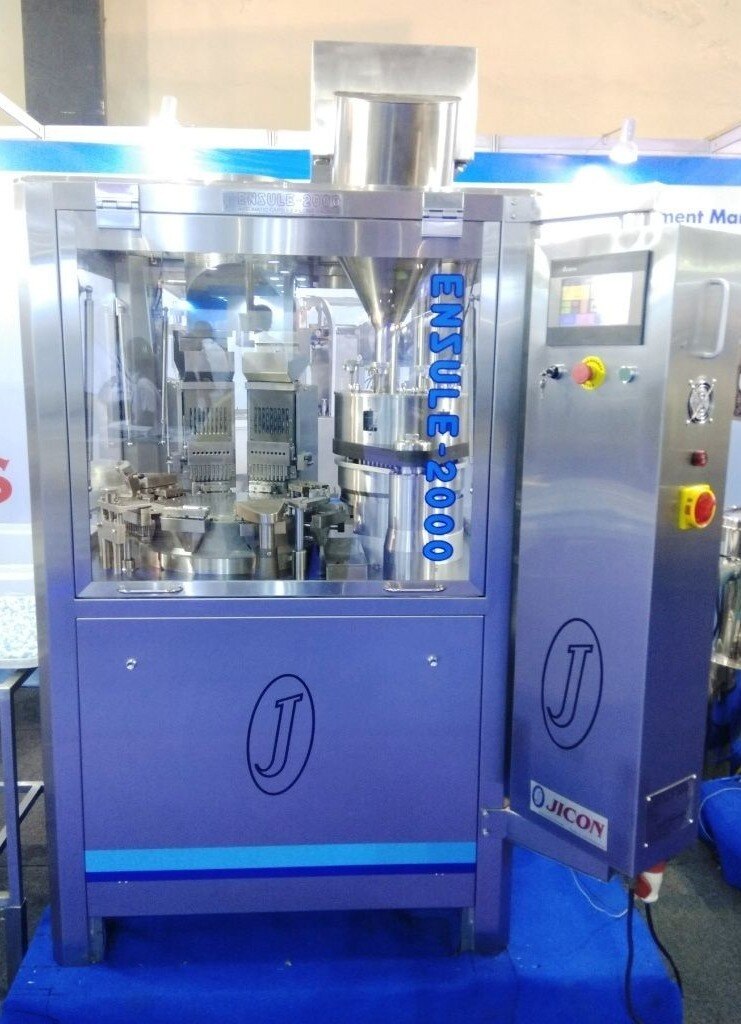
A capsule filler is not automatically beyond repair because it produces variable weights, damaged shells or repeated stoppages. You need evidence that separates powder and capsule-shell behaviour from equipment wear, then compares the full cost and compliance risk of continued operation with a controlled replacement.
Key takeaways
- Test retained capsules and placebo before blaming the filler.
- Count downtime, rejects, labour and spare parts in the repair cost.
- Replace the machine when faults persist across controlled material trials.
- Demand test records, root-cause findings and acceptance criteria from suppliers.
Is the recurring fault in the machine, the powder or the capsule shell?
Approve repairs only after proving where the fault travels. Run the same machine, tooling and settings with a retained lot of acceptable capsules and a known-flowing placebo. If performance returns, investigate the powder or shell before condemning the filler.
1. Compare the original material with the controls. Cohesive, electrostatic, poorly deaerated or moisture-sensitive powder can bridge, form unstable plugs and produce fill-weight variation. Increasing tamping force may hide the variation while creating excessive plug density and a dissolution failure.
2. Check the shell separately. Gelatin shells that are too dry crack and attract static; shells that are too moist soften, fail to separate and lock poorly. HPMC shells handle moisture and friction differently, so compare a conditioned HPMC lot rather than treating it like gelatin.
3. Record every run in the semi automatic capsule machine recurring faults log: capsule size and shell lot, powder lot and flow, humidity, vacuum at the pickup point, fill weight, dosing setting, tamping depth, tooling alignment, stoppage time and rejected units.
Inspect filters, pickup holes, hose leaks, seals, compressed-air pressure, sensors and product-contact parts; a pump reading alone does not prove vacuum at the tooling.
If the fault follows a powder or shell lot, a new semi automatic capsule filler is unlikely to solve it. If it follows the machine across both controls, obtain measured evidence of wear, misalignment or failed utilities before approving repair or replacement.
What does the real cost of keeping the filler look like?
A repair is financially rational only when it restores controlled output at a lower total cost than a semi automatic capsule filler replacement. Compare the full figures, not the repair invoice.
| Cost area | Keep and repair | Replace |
|---|---|---|
| Initial spend | Repair, affected change parts and corrective work | Machine price, freight, commissioning, operator training, qualification and validation |
| Annual cost | Maintenance, emergency repairs, spares, travel, calibration and requalification | Planned service, calibration and validation support |
| Production cost | Discarded capsules, powder loss, cleaning, manual loading and inspection labour, stoppage recovery and lost production hours | Labour and downtime measured during commissioning and changeover |
Calculate good capsules per labour hour, including loading, inspection, reject clearing and stoppage recovery. Advertised cycles per hour exclude those losses; frequent cap-body separation or feeding interruptions can make a slower machine more productive.
For the capsule filler repair decision, compare the repair quote plus 12–24 months of expected recurring cost with replacement cost plus installation and qualification.
Repair becomes difficult to justify when totals approach each other, the same fault returns after a part change, or the quotation omits the failure mechanism, affected change parts, adjustment tolerances, acceptance tests or warranty.
Check hidden ownership costs before retaining the filler:
- Unavailable drawings, software backups or service expertise
- Proprietary sensors, obsolete drives or critical spares
- Unavailable capsule-size change parts
- Requalification after an unplanned modification
- Technician travel and extended production recovery
A low purchase price cannot offset a long outage caused by one unavailable component. If these costs are unknown, obtain firm estimates before approving the repair.
Which warning signs show that adjustment is no longer enough?
A recurring fault remains ordinary maintenance only when a defined part replacement restores documented performance. Gradual fill-weight drift from worn dosing discs, tamping pins, scraper edges, bushings, guide pins or capsule-pocket surfaces points to wear; cap-body mismatch, shell dents, intermittent jams and drive backlash point to alignment or mechanical looseness.
| Symptom | Check | Warning sign |
|---|---|---|
| Vacuum loss | Measure vacuum at the tooling; inspect the filter, hose, seals and pickup holes | The pump reading is normal but capsules remain in transfer or fail to separate |
| Air or electrical fault | Record compressed-air pressure and test sensors, wiring and controls | Pressure fluctuates, or the fault returns after resetting |
| Unstable operation | Check settings against approved positions and measure drive movement | Backlash, uncontrolled movement or undocumented trial-and-error adjustment |
Stop and escalate the machine if you find:
- A cracked frame, loose mounting point, exposed wiring or metal particles near product-contact surfaces
- Repeated interlock bypassing, failed sensors or uncontrolled movement
- Settings for fill depth, tamping position, speed, vacuum or reject control that cannot return to documented values
A semi automatic capsule machine recurring faults log must link capsule size, shell material, powder lot, humidity, vacuum, fill weight, tamping setting, tooling, stoppage time and rejected units to the batch record.
Repeated entries belong in deviation investigations, equipment logs and product-quality decisions; replacing a dosing assembly, sensor or contact part may require change control, cleaning-validation review, process validation assessment and requalification under the site’s GMP framework. A machine that runs slowly is safer to control than one that runs only through undocumented operator guesses.
What evidence should a repair supplier provide before you keep the machine?
Keep the machine only if the repair proposal proves that the supplier can find and correct the failure mechanism, not merely change settings. Ask for a fault-history review, a written root-cause statement, inspection measurements, identified worn parts, alignment and backlash limits, calibration method, spare-parts availability, response time, operator training and a post-service performance report.
Require the supplier to define acceptance tests before work begins:
- Fill-weight mean and variability, using representative powder and the required capsule size.
- Capsule lock integrity, shell cracks, dents and powder leakage.
- Reject rate, vacuum performance and stoppage frequency.
- Repeatability across multiple production runs, not one successful demonstration.
A parts list without the failure mechanism is inadequate, especially when the same fault returned after an earlier repair. The proposal must identify affected change parts, adjustment limits, warranty coverage and the measurements that will prove the repair worked.
For a buyer comparing a semi automatic capsule filling machine manufacturer for recurring problems, ask whether the service team can investigate powder handling, tooling, vacuum, alignment, drive backlash, sensors and controls together.
Ask Jicon Technologies Pvt Ltd, or any alternative supplier, for its diagnostic method, comparable service records, spare-parts lead times and the evidence supplied after commissioning. A supplier that cannot provide these records is transferring the recurring fault to your operators.
The final report should compare agreed results with baseline data and record deviations, corrective actions and remaining limits. Accept the repair only when measured performance, not a sales demonstration, supports repeatable production.
Related products
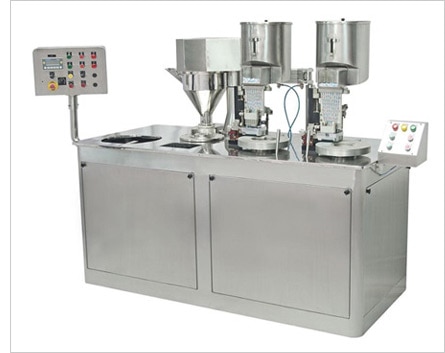 | Capsule Filling Machines Semi Automatic Capsule Filling Machine SACF ₹1 SACF I & SACF -II (Semi Automatic Capsule Filling Machines) are designed to fill hard gelatin capsules of all sizes with powders, pellets or granular... View product → |
 | Capsule Filling Machines SACF: Semi Automatic Capsule Filling Machine ₹1 SACF I & SACF -II (Semi Automatic Capsule Filling Machines) are designed to fill hard gelatin capsules of all sizes with powders, pellets or granular... View product → |
How should you test a replacement before retiring the old filler?
A semi automatic capsule filler replacement is defensible only after a documented trial using your actual capsule sizes, shell materials and representative powders. An unloaded cycle demonstration proves little about dosing, separation or stoppage recovery.
Set written acceptance criteria before testing:
- Fill-weight average and variability across multiple runs
- Cap-body locking, shell cracks, dents and powder leakage
- Reject rate, vacuum pickup and feeding interruptions
- Cleaning access, operator safety and changeover time
- Time to clear rejects, reload capsules and recover from stoppages
- Repeatability at approved settings, not operator trial and error
Compare the existing and candidate machines using the same workload:
| Metric | Existing filler | Replacement |
|---|---|---|
| Good capsules per labour hour | Include loading, inspection and recovery | Include the same labour |
| Stoppage and reject time | Record minutes and units | Record minutes and units |
| Changeover and cleaning | Time each activity | Time each activity |
Confirm documentation, calibration points, approved operating ranges, product-contact materials and cleaning procedures before purchase. A faster cycle rate is irrelevant if manual loading and reject clearing reduce good capsules per labour hour.
Complete change control before installation. Assess cleaning validation, process validation, equipment qualification or requalification, and batch-record instructions.
Retire the old filler if it fails the trial, cannot hold controlled settings, lacks critical spares or service support, or costs more after downtime and compliance work. The capsule filler repair decision is to keep it only when controlled testing proves that a defined repair restores repeatable performance.
Frequently asked questions
How can you tell whether the fault is in the filler, powder or capsule shell?
Run the same tooling and settings with a retained acceptable capsule lot and a known-flowing placebo. If performance changes, investigate the powder or shell before condemning the machine.
What costs belong in a capsule filler repair decision?
Include spare parts, technician time, setup losses, rejected capsules, cleaning, troubleshooting labour and production downtime—not only the repair invoice.
Which warning signs show that adjustment is no longer enough?
Persistent faults after documented setup changes, recurring dose variation, capsule damage, unreliable separation and repeated unplanned stoppages indicate that adjustment may no longer solve the problem.
What evidence should a repair supplier provide?
Request a written fault diagnosis, measurements, replaced-part list, test results, root-cause explanation and acceptance criteria for returning the machine to production.
How should you test a replacement before retiring the old filler?
Define the same product, capsule size, output target, fill-weight limits, reject limits and run duration for both machines, then compare results under controlled conditions.
Related products
 | Capsule Filling Machines Automatic Capsule Filling Machines ENSULE Our ENSULE series of machines are Fully Automatic Capsule Filling machines used to fill powders (in the form of slugs, pellets or mini tablets) in... View product → |
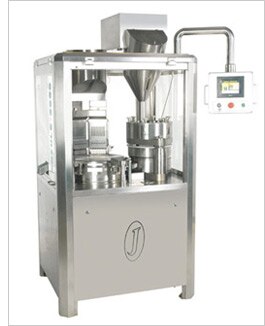 | Capsule Filling Machines Automatic Capsule Filling Machine ENSULE 2000 ENSULE 1500 ENSULE 750 ENSULE 400 ENSULE 200 Our ENSULE series of machines are Fully Automatic Capsule Filling machines used to fill powders (in the form of slugs, pellets or mini tablets) in... |