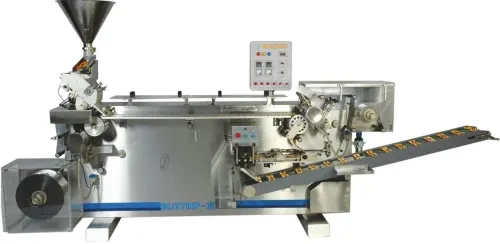

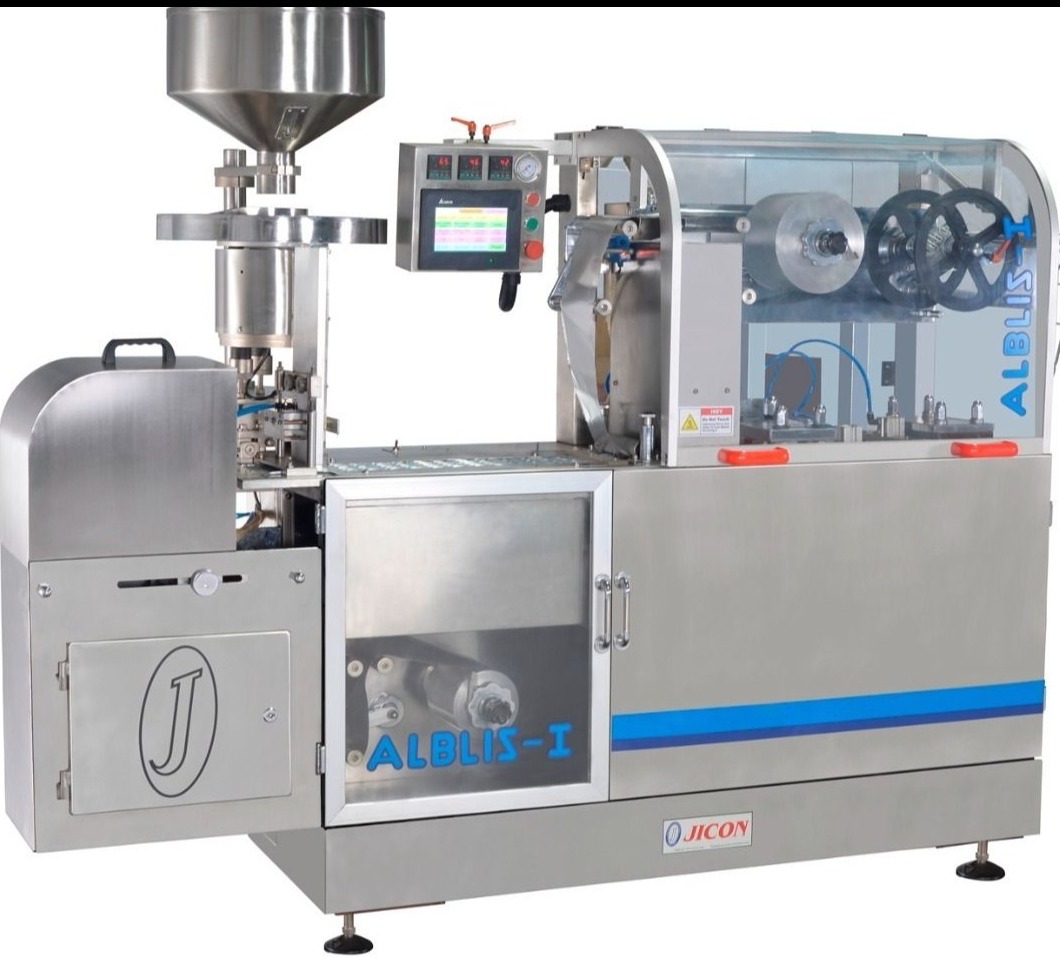
Automatic blister packaging can connect forming, product feeding and sealing into one coordinated process, but the best configuration depends on the intended pack.
A packaging line needs to handle both the product and the materials used to create the blister. Product dimensions influence feeding and cavity design, while the selected base and lidding materials affect forming and sealing.
When evaluating an Automatic Blister Packing Machine Manufacturer, procurement teams should begin with the packaging specification. Define the product, cavity arrangement, pack size and material combination before comparing automation levels.
Jicon's Saudi product portfolio includes automatic blister systems for pharmaceutical products, including configurations using PVC-Alu and Alu-Alu packaging approaches.
Automation can reduce repetitive handling, but it also makes setup and format management important. Where several products are produced, changeover procedures can influence the usable production schedule.
Another consideration is the feeding mechanism. Product shape and size may determine which feeding arrangement is appropriate, so the machine should be evaluated against the actual product rather than a generic tablet or capsule category.
Packaging quality also depends on stable forming and sealing. These stages should be considered together because a high-speed feeding process has limited value if downstream packaging cannot maintain the required consistency.
A practical procurement review therefore combines product characteristics, packaging materials, machine configuration, changeover needs and expected production volume.
For automated blister packaging planning, discuss your product format and packaging objectives with Jicon Technologies Pvt Ltd in Saudi Arabia.