
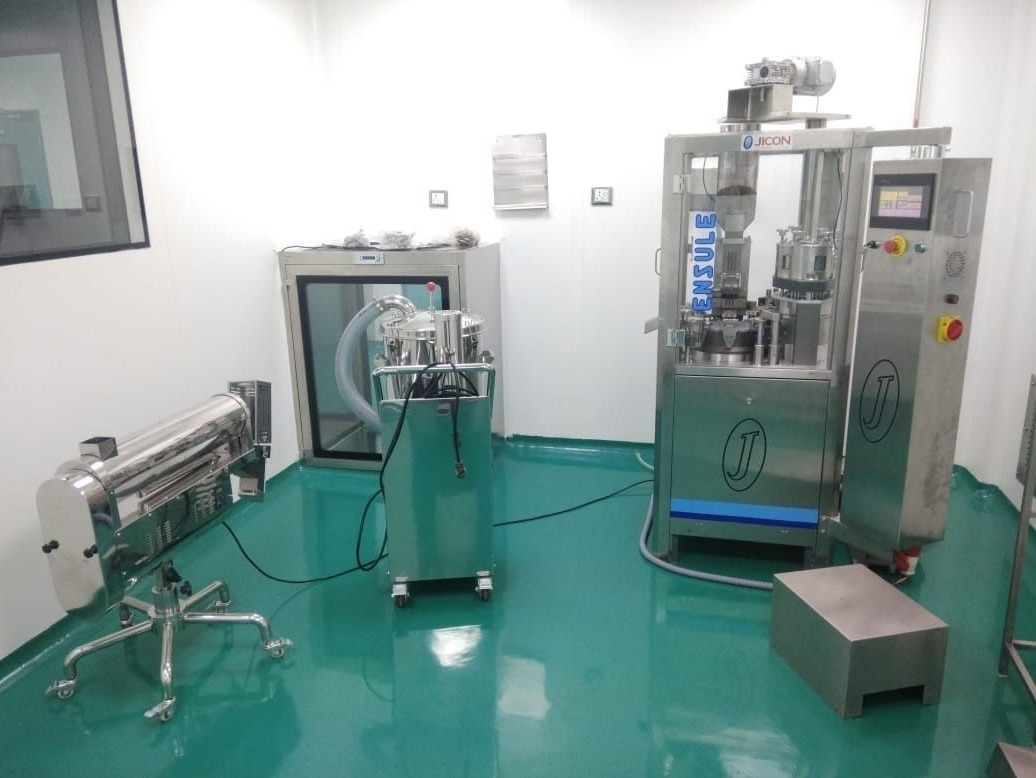
Pharmaceutical machinery procurement is moving toward a more process-oriented approach in which equipment is evaluated according to its role within the complete manufacturing workflow.
For buyers, this means looking beyond individual machine features and considering how filling, processing and packaging stages connect.
A Pharmaceutical Machinery Manufacturer can be evaluated more effectively when the buyer has already defined the production process, product formats, required output and automation priorities.
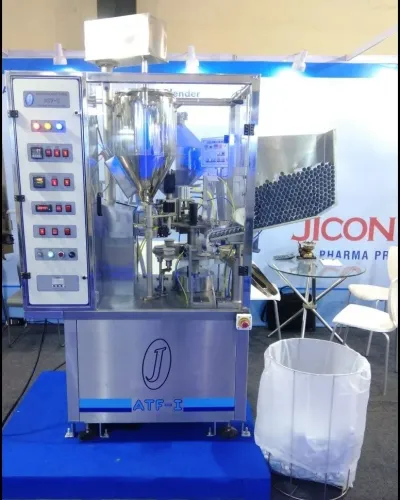
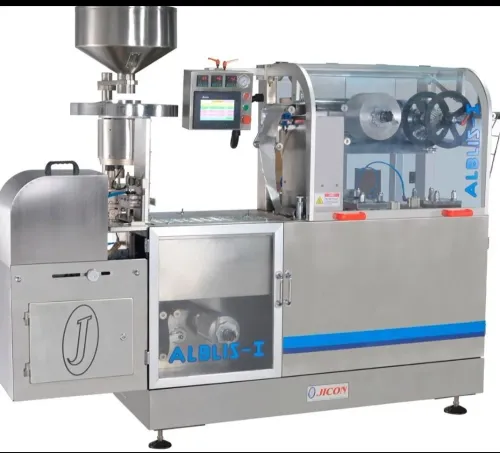
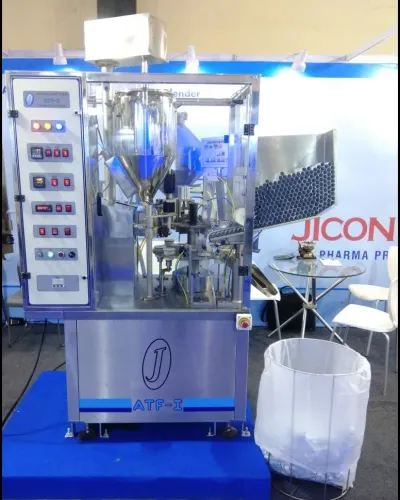
Equipment categories such as blister packing, capsule filling and tube filling address different manufacturing requirements. The challenge is ensuring that each selected machine fits the actual production sequence.
Flexibility is becoming particularly relevant for facilities handling multiple products. Changeover requirements, tooling and operator procedures can influence how much useful capacity a machine provides over a working schedule.
Lifecycle considerations should also be part of the decision. Maintenance access, cleaning procedures, spare or change parts and technical support can affect the practical value of machinery long after installation.
At the same time, automation should be justified by actual production needs. Higher automation can reduce repetitive handling, but unnecessary complexity may not deliver proportional value in every manufacturing environment.
A strong procurement process therefore begins with a user requirement specification that explains what the facility needs to accomplish. Machine features can then be assessed against those requirements rather than becoming the starting point.
This approach can make supplier comparisons clearer and reduce the risk of selecting equipment simply because one specification appears impressive.
For a process-led pharmaceutical machinery evaluation, discuss your production objectives and equipment requirements with Jicon Technologies Pvt Ltd in Uzbekistan.