
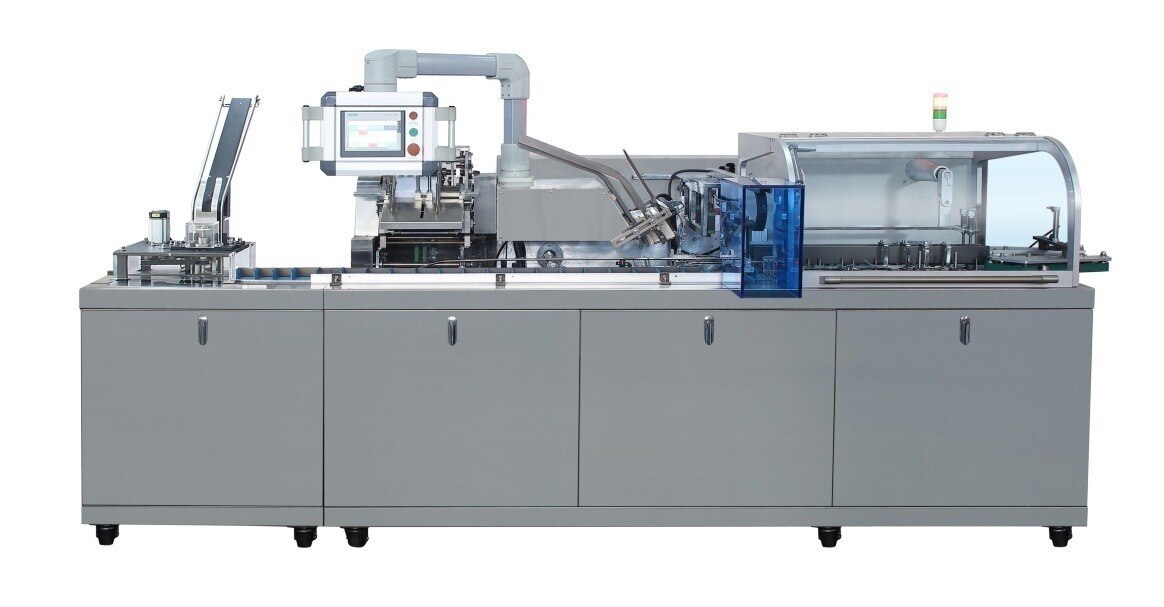
An ointment plant is a connected process train, not a single mixing vessel, and its correct design depends on the product, batch size, utilities, hygiene risk and packaging format. By the end, you will know how to map the process, specify equipment, size the line, plan an Ahmedabad facility and compare supplier quotations without overlooking validation or utility costs.
Key takeaways
- Match the process train to anhydrous, emulsion, gel, paste or sterile ointment.
- Separate personnel, material and waste routes in the Ahmedabad plant layout.
- Size vessels and filling equipment from batch volume, cycle time and demand.
- Demand P&IDs, utility loads, FAT, SAT and qualification documents in the quotation.
What process sequence should an ointment plant follow?
An ointment manufacturing plant should follow a product-specific sequence, because an anhydrous ointment, emulsion cream, paste, gel and sterile ophthalmic ointment do not use the same process train.
1. Dispense and verify each raw material against the batch record, then stage powders, oils, water and packaging components separately.
2. Prepare the oil phase by melting waxes, petrolatum or other solids. Prepare the water phase with purified water and dissolved ingredients when the formula requires it. An anhydrous ointment may need only melting, mixing and deaeration.
3. Heat both phases to their specified temperatures. For a paste, wet powders into the vehicle and use high-torque mixing; for a gel, hydrate the polymer and control its addition to prevent lumps.
4. Combine phases in the defined order for an oil-in-water or water-in-oil cream, then emulsify and homogenise until the required droplet size and texture are achieved.
5. Apply qualified vacuum during homogenisation to remove entrained air, then cool under controlled agitation. Vacuum alone does not prove adequate deaeration.
6. Hold the bulk in a clean, identified vessel, verify temperature and quality results, and transfer it through a suitable pump to the filler.
7. Fill tubes or jars, seal them, code batch and expiry details, inspect units, and carton the accepted packs.
8. Sterile ophthalmic ointment needs a dedicated sterile strategy, including classified processing, sterilisation or aseptic controls, environmental monitoring and container-closure integrity—not an ordinary nonsterile line.
How should the Ahmedabad plant layout control movement and access?
Use a one-way layout: raw materials enter through dispensing, move to preparation and compounding, then to bulk holding, filling, packaging and finished-goods storage; waste exits by a separate route.
1. Place dispensing near receipt but separate from printed packaging and released goods. Provide controlled staging areas for weighed materials, labelled containers, packaging components and rejected waste.
2. Separate oil-phase, water-phase, compounding, filling and packing rooms where product or personnel traffic could cause mix-ups. Use material airlocks for containers and personnel airlocks for staff, with defined transfer routes.
3. Leave working clearance around vessels, pumps, control panels, filters, filling heads and service connections. Without it, operators cannot inspect seals, clean fittings, replace filters or remove equipment safely.
4. Derive pressure relationships, air changes, filtration, temperature and humidity from the risk. Dusty powders need containment; solvent-bearing ingredients need vapour control; microbiologically sensitive products need controlled bioburden; sterile ophthalmic ointment needs classified areas, controlled personnel flows and a validated sterile strategy.
5. Do not add machinery to an existing room before reviewing cross-traffic, airlocks, pressure cascades, drainage and waste removal. A compliant vessel can still create a GMP failure when its position disrupts movement or room control.
For buyers comparing a pharma machinery manufacturer for ointment manufacturing plant details in Ahmedabad, demand a scaled layout showing these routes, clearances and segregation before approving the equipment quotation.
Which equipment specifications change with the formulation?
Ask a pharma machinery manufacturer for a product-contact specification, not “stainless steel construction.” It should state vessel working and total volume, material grade, contact-surface finish, weld quality, drainability, stagnant-zone controls, shaft-seal design, and spray-ball coverage if CIP is claimed.
Also request agitator type and speed range, homogeniser speed, vacuum level, heating and cooling method, temperature-control range, and transfer-pump type.
| Formulation risk | Specification to request | Failure if mismatched |
|---|---|---|
| High wax content | Reliable heating, adequate torque, and a suitable impeller | Incomplete melting, overload, or unmixed wax |
| Heat-sensitive actives | Tight temperature control and rapid cooling | Potency loss from prolonged thermal exposure |
| Abrasive powders | Wear-resistant pump, seal, and contact materials | Seal leakage, particle shedding, or equipment wear |
| Volatile ingredients | Controlled addition and vapour management | Evaporation, odour release, or composition change |
| Suspended solids | Gentle but effective agitation across the batch | Settling, clumping, or excessive particle damage |
| Very high viscosity | Positive-displacement transfer pump and appropriate impeller | Cavitation, poor transfer, or inconsistent filling |
Treat vacuum as a qualified process parameter, not a vessel label. It reduces entrapped air, oxidation exposure, visual defects, and filling inconsistency, but a vacuum-rated vessel alone does not prove adequate deaeration; qualify vacuum level, hold time, temperature, mixing condition, and the resulting product.
How do you size the plant from output instead of the word automatic?
Required finished units per shift, fill size, batches per shift, batch yield, formulation viscosity and planned operating schedule provide the starting figures for an ointment manufacturing plant. Do not size it from “automatic”; size the complete process train against usable hours.
1. Convert demand into batch mass: units per shift × fill mass, then add expected rejects. Check each vessel’s working volume, not total volume, against the usable fill level and batch yield.
2. Build the schedule with preparation, heating, mixing, cooling and product-temperature stabilisation time. Add transfer, bulk-hold, hopper replenishment, changeover, cleaning and maintenance downtime before comparing available hours with demand.
3. Balance tube filler, sealer, coder and cartoner speeds. A filler’s stated tubes-per-minute rate is not validated capacity unless fill accuracy, viscosity, product temperature, nozzle configuration, tube dimensions, sealing method, hopper level, rejects and downstream speed support it.
Do not copy laboratory mixer rpm into production. Scale-up requires comparison of mixing time, impeller tip speed, shear rate, power per unit volume, order of addition, vacuum level, temperature profile and cooling rate. These affect viscosity, globule size, deaeration and content uniformity. A pilot or production trial must confirm the calculated capacity.
Which utilities and environmental controls must Ahmedabad buyers specify?
Ask an ointment manufacturing plant manufacturer in ahmedabad for a utility-load sheet, not unnamed requirements or invented figures. Specify purified-water generation, storage-tank design, loop circulation, dead-leg control, sanitisation, sampling points and monitoring, plus chilled water, steam or electrical thermal supply, compressed air quality, vacuum capacity, electrical load, drainage, exhaust and HVAC interfaces.
Your HVAC specification must state:
- Room classification where relevant, temperature and relative-humidity limits, filtration level, air-change or recovery criteria, pressure relationships and airlock arrangement.
- Dust control for powders, vapour control for solvents, and environmental controls for microbiologically sensitive processing.
- Utility connection points, drain sizes, exhaust routes and clean compressed-air requirements, so excluded infrastructure does not appear after ordering.
Nonsterile topical manufacture still needs a documented plan covering water quality, raw-material bioburden, preservation, equipment cleaning, bulk hold time and finished-product microbial testing. Sterile ophthalmic ointment manufacture demands a different facility and product strategy.
| Product type | Facility and process controls | Consequence of wrong specification |
|---|---|---|
| Nonsterile ointment or cream | Controlled water, bioburden, cleaning, hold time and microbial testing | Objectionable organisms or contaminated bulk |
| Sterile ophthalmic ointment | Classified areas, aseptic processing or terminal sterilisation, environmental monitoring and container-closure integrity | A nonsterile line cannot support a defensible sterile product |
What should an Ahmedabad buyer demand in the quotation and qualification package?
A buyer comparing a pharma machinery manufacturer for ointment manufacturing plant details in Ahmedabad should demand a quotation that exposes exclusions, not an “automatic plant” total. An ointment manufacturing plant manufacturer in Ahmedabad must show what it supplies, qualifies and supports.
1. Separate prices and responsibilities for product-contact vessels and pumps, utilities, cleanroom and HVAC, filling and packing, automation, installation, validation documents and after-sales support. List purified-water generation, storage and distribution, vacuum, chilled water, compressed air, exhaust and electrical loads separately.
2. Require a user requirement specification, design review, factory acceptance test, site acceptance test, installation qualification, operational qualification and performance qualification. FAT does not replace site qualification after transport, installation, software configuration and local utility connection.
3. Demand a cleaning procedure for waxes, petrolatum, oils, pigments, preservatives and high-viscosity residues. It must state the worst-case rationale, sampling locations, swab and rinse recovery, detection limits, dirty and clean hold times, and acceptance criteria.
4. Compare Jicon Technologies Pvt Ltd with other suppliers on these boundaries, document lists, service duties and utility exclusions. A low equipment price that omits commissioning, purified-water distribution, HVAC or validation is not the lower-cost plant.
Related products
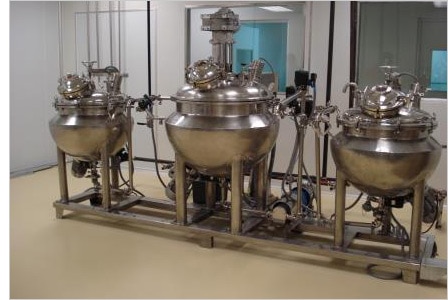 | Process Equipments Ointment Cream and Toothpaste Manufacturing Plant Automatic Ointment / Cream Manufacturing Plant is used to prepare medicated homogenised emulsion of Wax and Water to a particular formulation. View product → |
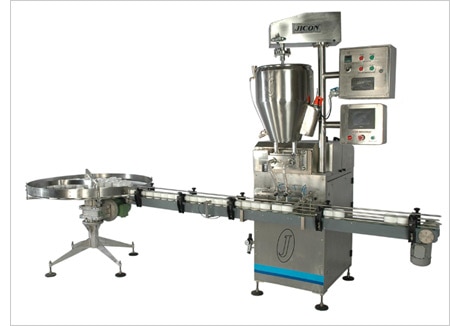 | Container Filling Machines Automatic Container Jar Filling Machine for Ointment and Others High speed automatic multi head container filling machine for filling cream, paste, ointment, wax polish, grease, jam, sauce etc. |
Frequently asked questions
What process sequence should an ointment plant follow?
Use a product-specific sequence: weigh and stage materials, prepare the oil or water phase when required, mix or homogenise, control temperature, deaerate, transfer and fill. Sterile ophthalmic ointments require a validated sterile process and suitable sterile handling controls.
How should an Ahmedabad ointment plant layout control movement and access?
Separate personnel, raw-material, finished-product and waste routes. Define access by room classification, place airlocks at controlled transitions, and keep cleaning, maintenance and material transfer routes from crossing unnecessarily.
Which equipment specifications change with the formulation?
Specify vessel capacity, agitator type, homogeniser, heating and cooling range, vacuum capability, contact-surface finish and transfer pump from the formulation's viscosity, shear sensitivity, phase structure and temperature limits.
How do you size an ointment plant from output?
Calculate required batches from target output, batch yield, filling speed, changeover time, cleaning time and available operating hours. Select vessel and filler capacity from that schedule rather than relying on the word automatic.
Which utilities and environmental controls must Ahmedabad buyers specify?
State electrical load, steam or hot-water demand, chilled-water requirements, compressed-air quality, vacuum capacity, purified-water needs, HVAC conditions, drainage, dust control and room temperature and humidity limits.
Related products
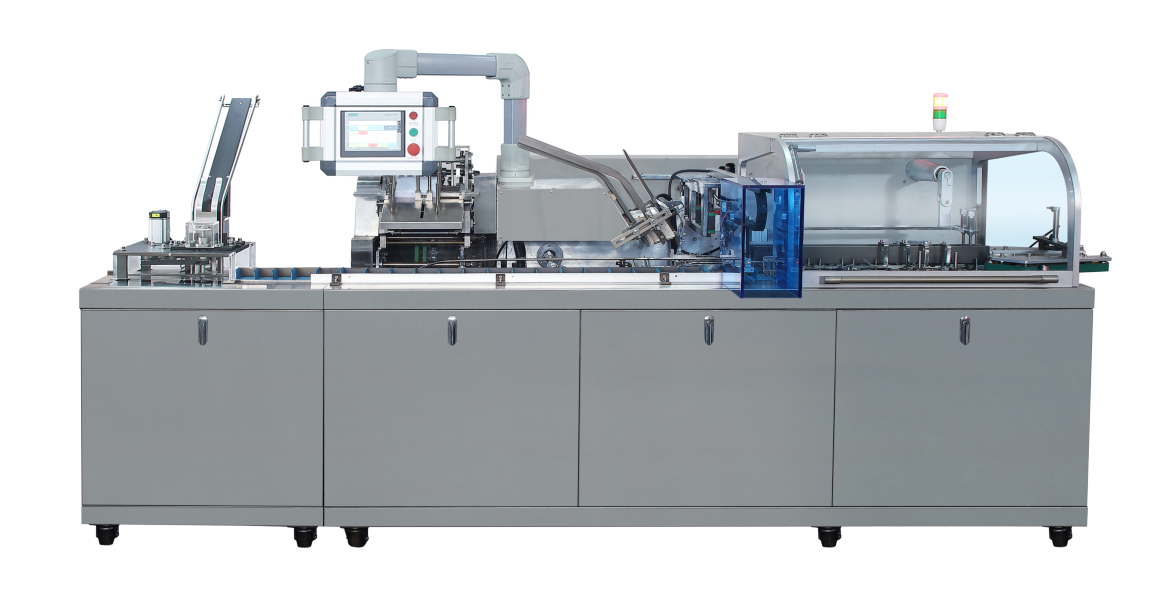 | Accessories & Ancillary Equipments Auto Cartonator for Blistered Strips and Tubes ₹1 JCT-100 and JCTBL -100 are truly powerful horizontal cartoning machines of intermittent motion. View product → |
 | Container Filling Machines Automatic Container Filling Machine High speed automatic multi head container filling machine for filling cream, paste, ointment, wax polish, grease, jam, sauce etc. View product → |