
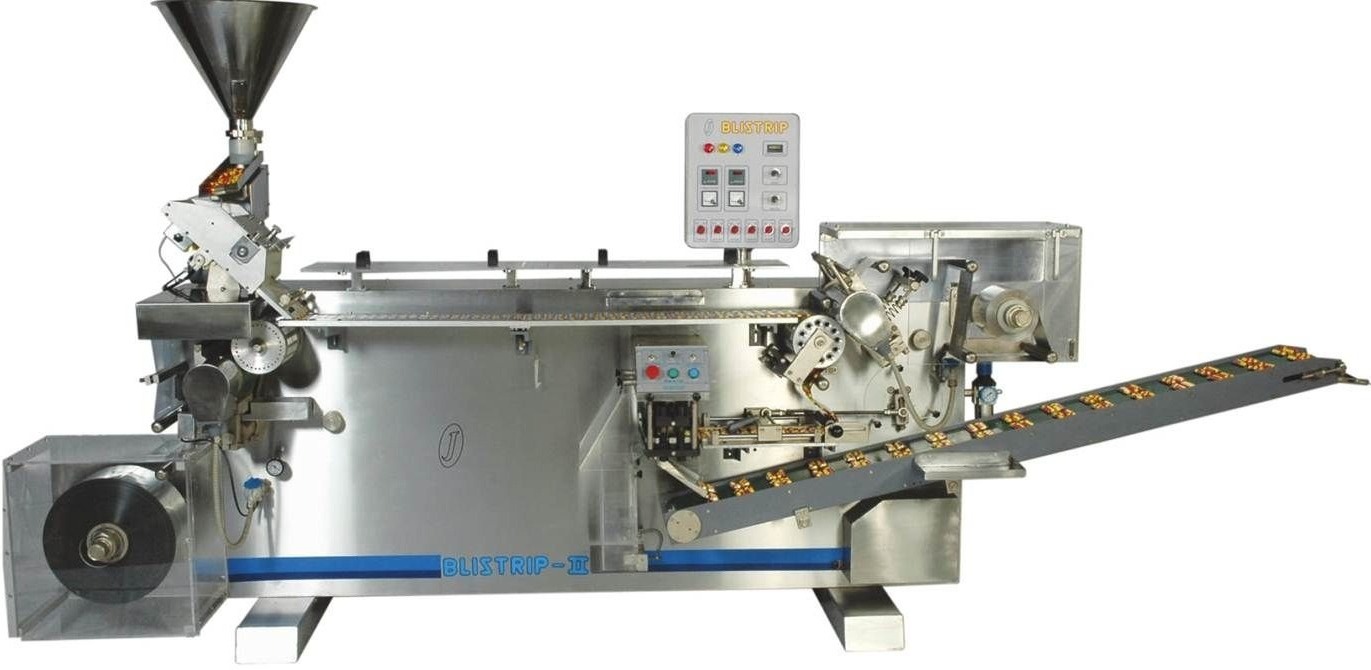
Blister packaging decisions are stronger when the finished pack is defined first, because product dimensions and packaging materials determine much of the required machinery configuration.
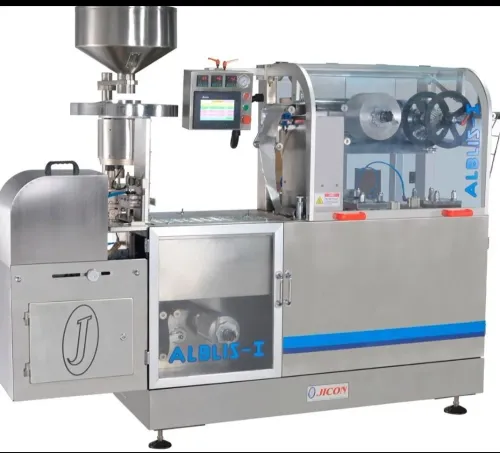
A blister line must position the product, create the cavity and seal the package in a controlled sequence. Each stage can influence the quality and consistency of the finished pack.
When choosing a Blister Packing Machine Manufacturer, procurement teams should establish product type, cavity dimensions, pack layout, base material and lidding material before comparing machines.
For solid pharmaceutical products, feeding is an important consideration. Tablets and capsules can differ considerably in shape and size, meaning the feeding arrangement should be appropriate for the actual product rather than assumed from the dosage category.
Production variety also changes the decision. A facility running several pack formats may place greater value on changeover practicality, tooling accessibility and format flexibility.
Packaging material should be evaluated alongside the forming process. Alu-Alu and PVC-based blister formats have different characteristics, so the equipment configuration needs to reflect the selected packaging structure.
Downstream handling should not be ignored. Finished blister packs may move into cartoning or other secondary packaging, making line balance relevant to overall production efficiency.
A complete technical brief therefore helps both buyer and supplier focus on the actual application instead of comparing machines through headline specifications alone.
For a blister packaging project requiring application-focused equipment selection, discuss your pack design and production objectives with Jicon Technologies Pvt Ltd in Uzbekistan.