
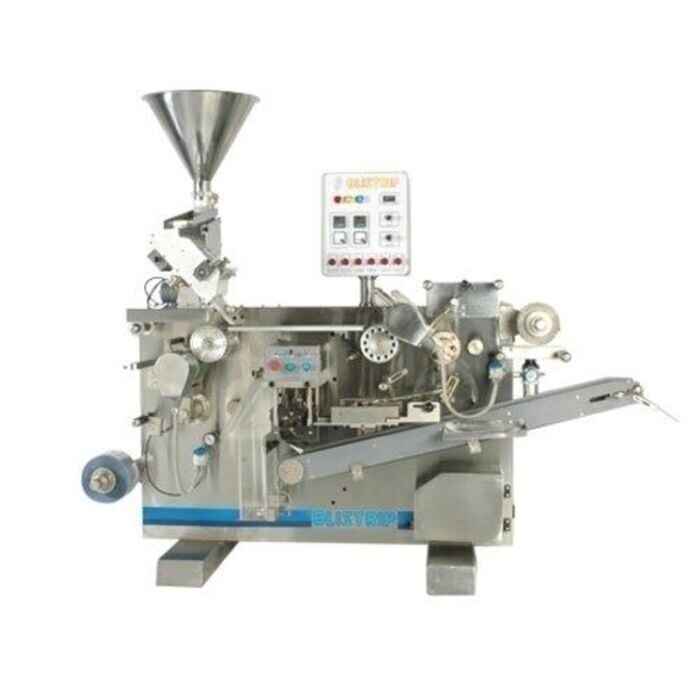
Herbal manufacturers face a specific recovery decision when rejected or surplus blister packs contain usable tablets or capsules. By examining your packaging formats, reject volume, quality controls, labour, and recovery results, you can decide whether mechanised de-blistering is justified or whether destruction, manual handling, or another rework route is safer.
Key takeaways
- Count recurring rejects and recovery value before buying equipment.
- Release recovered product only after identity, integrity, and contamination checks.
- Compare controlled machine recovery with labour, waste, and disposal costs.
- Specify equipment using your hardest-to-handle tablet, capsule, and blister combination.
Start with the blister-reject decision test
A producer has enough recurring work to consider a de blistering machine when rejected blister packs arrive repeatedly, recovery value is significant, and controlled extraction costs less than manual opening or disposal. This applies to Ayurvedic tablet and capsule manufacturers, nutraceutical companies, contract packers, repackers, and exporters using PVC/PVDC–aluminium or aluminium–aluminium blisters.
Run this decision test over the last three to six months:
- Count line-start-up samples, overprinted packs, damaged cartons, changeover waste, returns, and approved rework stock. Occasional rejects from one batch rarely justify equipment.
- Calculate the monthly value of recoverable tablets or capsules, then include labour, cleaning, segregation, validation, utilities, spare parts, and operator training.
- Reject recovery as an option when a cavity is broken, foil is damaged, moisture entered, batch identity is uncertain, contamination is suspected, or pack status cannot be traced.
- For a de blistering machine for herbal product manufacturers in Chandigarh, check local service response, spare-part availability, compressed-air and electrical requirements, dust and noise controls, and site acceptance testing.
| Option | Cost and risk | When it applies |
|---|---|---|
| Manual opening | Low equipment cost, high labour and mix-up risk | Small, infrequent, clearly identified rejects |
| Disposal | Immediate product loss, lowest recovery complexity | Low-value or untraceable stock |
| De blistering machine | Higher setup cost, controlled repeatable recovery | Recurring rejects, expensive formulations, frequent rework |
Do not buy a de blistering machine for bottles, jars, pouches, or sachets; those formats need different recovery equipment. Similar-looking herbal SKUs also demand strict batch segregation and line clearance.
Define when recovered product can move forward
A de blistering machine only separates tablets or capsules from packaging; it does not make recovered product acceptable for resale. Hold every recovered unit in a labelled, physically segregated container until the quality unit completes an investigation and records a disposition.
1. Confirm identity and traceability. Match the product name, strength, dosage form, batch number, manufacturing date, expiry date, and quantity to the rejected packs and batch records. Reject material with missing, conflicting, or unreadable information.
2. Establish why the pack was rejected. Investigate the defect, such as poor sealing, misprinted foil, damaged carton, line-start-up sample, or an unknown quality failure. Do not recover units from packs rejected for suspected contamination, mix-up, or an unexplained defect until the investigation closes.
3. Inspect product and pack exposure. Exclude tablets or capsules from broken cavities, damaged foil, opened seals, moisture exposure, visible dirt, foreign matter, crushing, or abnormal colour and odour. Returned goods require evidence of controlled storage, tamper protection, seal integrity, and traceable distribution; unknown conditions do not support automatic resale.
4. Reconcile and assess the recovered quantity. Compare units recovered, units rejected, blister components, samples, and losses against the starting quantity. The quality unit must approve any testing, such as appearance, assay, moisture, or microbial examination, and issue documented approval for rework or destruction.
Only approved, identifiable product with an authorised rework instruction may return to packaging. Keep foil, PVC/PVDC, rejected units, and unidentified material on separate controlled collection paths to prevent a mix-up.
Compare machine recovery with manual handling and disposal
A machine earns its place when rejected blister packs recur and the recoverable tablets or capsules are worth more than the full recovery cost. Include labour, rejected PVC/PVDC–aluminium or aluminium–aluminium foil, product loss, inspection, cleaning, validation, and disposal—not just the quoted packs-per-hour figure.
| Option | What it means | When it applies |
|---|---|---|
| Manual opening | Operators cut or peel packs and inspect units | Occasional, low-volume rejects where labour and handling risk remain low |
| Crushing or disposal | Destroy the pack and dosage units under an approved procedure | Broken cavities, uncertain identity, moisture exposure, contamination, missing batch data, or low-value stock |
| Rework without extraction | Keep units in an approved, traceable rework route | The quality system permits rework and product identity, status, and packaging controls remain intact |
| Sorting | Separate acceptable units from damaged or mixed stock | Sorting cannot remove foil fragments, trapped product, or identity uncertainty by itself |
| Mechanised extraction | Controlled separation of tablets or capsules from blister material | Recurring rejects, expensive formulations, regular changeover waste, or volumes that justify controlled recovery |
Manual opening becomes a poor choice when blades damage coatings, operators miss foil fragments, or each batch requires prolonged segregation and inspection. Crushing creates powder and broken units, while sending stock for rework still leaves the extraction and traceability problem unresolved.
Ask a pharmaceutical machines manufacturer to run a trial using your worst-case blister, including fragile or sugar-coated products. Compare intact-unit recovery, damage rate, trapped units, dust, operator intervention, and changeover time; a fast machine that produces chipped tablets is not economical. For rare, low-value rejects, documented destruction is safer and cheaper.
Specify the machine against your worst-case herbal products
Specify the de blistering machine against the hardest blister your line rejects, not against the word “herbal.” Test tablets, hard capsules, soft capsules, and dragees across the smallest and largest cavity sizes, unusual shapes, friable products, and products with dust or coating that sticks to foil.
| Variable to test | Include in the trial | Failure to watch for |
|---|---|---|
| Blister material | PVC, PVC/PVDC, aluminium forming foil, and aluminium lidding foil | Split cavities, torn foil, or trapped units |
| Pack construction | Different foil thicknesses, seal strengths, pocket depths, and perforations | Excess force, incomplete separation, or packaging fragments |
| Product condition | Whole and chipped tablets, empty-looking pockets, capsules, and dusty products | Crushing, powder generation, or damaged recovered units |
| Operating result | Intact-unit recovery, damaged-unit percentage, trapped units, dust, intervention, and changeover performance | A good unloaded-speed demonstration that fails on production packs |
Ask the supplier to run your own worst-case packs and provide counted results, not a demonstration using ideal stock. Record recovery rate at working speed, packaging-material separation, cleaning time, operator interventions, and performance after every format changeover. Require a site acceptance test covering electrical supply, compressed air, noise, dust extraction, guarding, training, and spare-part response.
Whether you approach Jicon Technologies Pvt Ltd or another pharma machinery manufacturer, make the trial part of the purchase specification. A technically suitable machine that waits weeks for service can cost more than slower manual recovery.
Exclude returned packs with broken seals, unknown identity, missing batch data, moisture exposure, contamination, or uncertain storage history; extraction cannot make them suitable for resale.
Related product
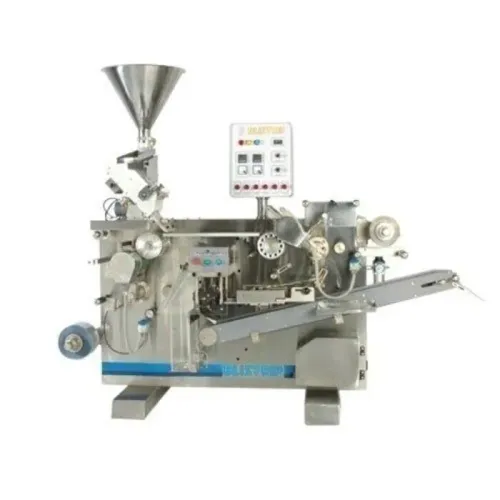
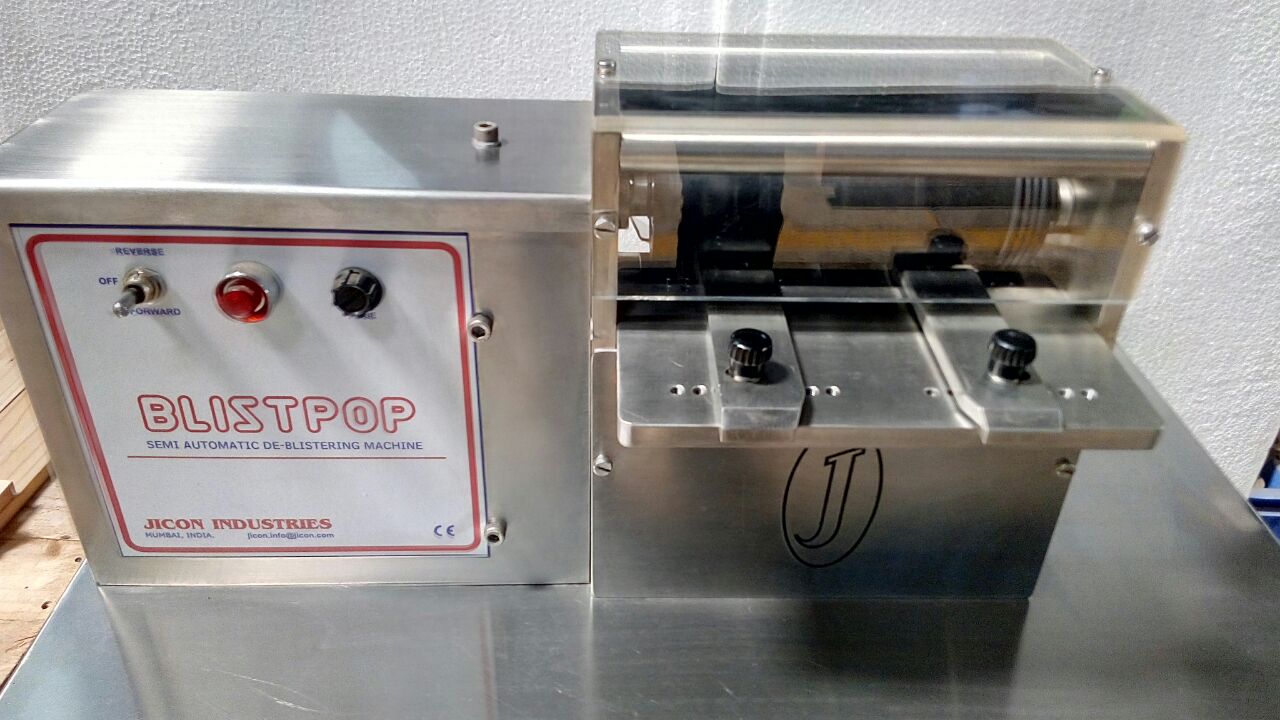 | Accessories & Ancillary Equipments Deblistering Machine for Tablets and Capsules BLISTPOP BLISTPOP is a simple de-blistering machine which is used to recover tablets / capsules / dragees from damaged or incomplete blister packs. |
Build the operation around cleaning, segregation, and measured results
A recovered tablet is not automatically usable stock. Hold it under its original batch identity, and reject recovery when a cavity is broken, foil is damaged, moisture has entered, the product identity is uncertain, batch details are missing, or contamination is suspected.
Implement the de-blistering machine for herbal product manufacturers in Chandigarh as a controlled recovery step:
1. Define separate, labelled paths for recovered tablets or capsules, damaged units, foil, PVC or PVDC, and unidentified material. Use closed containers and reconcile input packs against every output before release.
2. Run a product trial with the worst-case blister, coating, capsule, and pack condition. Record intact-unit recovery, damaged units, trapped units, dust, operator intervention, changeover performance, and cleaning time.
3. Convert the trial into an acceptance test at realistic loading rates. Separate quoted machine throughput from feeding, inspection, stoppages, empty-blister removal, cleaning, and changeover time.
4. Validate cleaning around cutters, rollers, chutes, and guards. Botanical dust, oils, coloured coatings, volatile flavours, and sticky extracts need defined access, cleaning agents, inspection points, and documented swab or visual limits.
5. Measure good-product recovery per hour and per batch, not nominal speed. Include labour, packaging disposal, product loss, inspection, validation, downtime, utilities, spare parts, and disposal of unrecoverable stock.
Ask a pharmaceutical machines manufacturer for site acceptance testing, operator training, compressed-air and electrical requirements, dust and noise controls, local spare parts, and response times. A slower manual process can cost less than equipment that remains idle during service delays.
Frequently asked questions
Which herbal producers need a de blistering machine?
Ayurvedic tablet and capsule manufacturers, nutraceutical companies, contract packers, repackers, and exporters with recurring rejected blister packs should evaluate one. The investment makes sense when recoverable product value and workload exceed controlled extraction costs.
When can recovered herbal product move forward?
Move recovered product forward only when you can identify the batch, protect product identity, prevent contamination, inspect tablet or capsule integrity, and document the recovery and subsequent quality decision.
Is machine recovery better than manual blister opening or disposal?
Compare machine purchase and operating costs with manual labour, handling time, product damage, waste value, and disposal charges. Machine recovery becomes stronger when reject volumes recur and manual opening is slow or inconsistent.
How should you specify a de blistering machine for herbal products?
Specify it against your worst-case combination of tablet or capsule shape, hardness, coating, blister material, pack size, seal strength, and reject condition. Test both PVC or PVDC–aluminium and aluminium–aluminium packs when you run them.
What controls should surround de blistering operations?
Use documented line clearance, cleaning between products, physical segregation of recovered material, batch traceability, inspection, yield measurement, and a defined quality release decision.