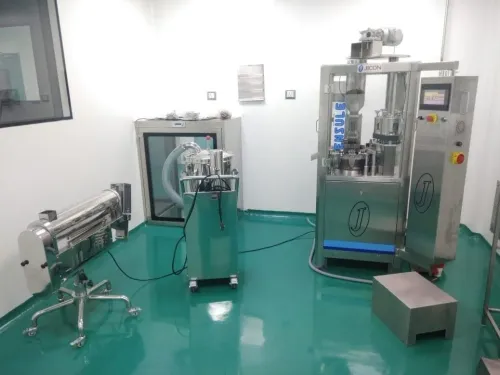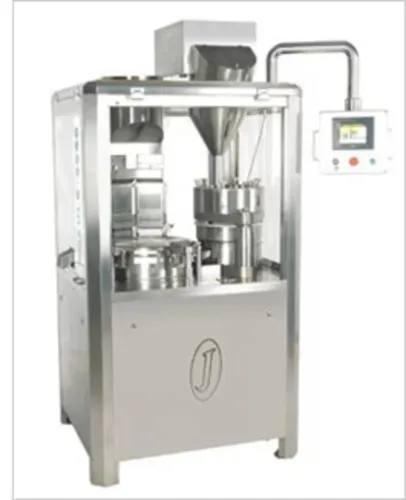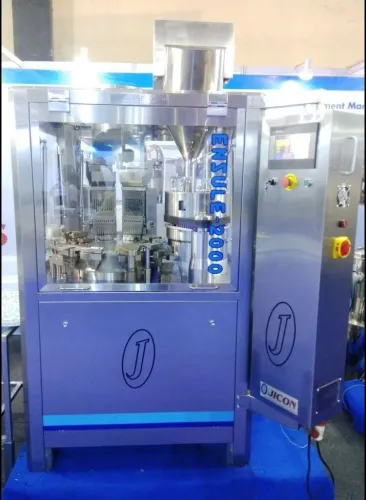

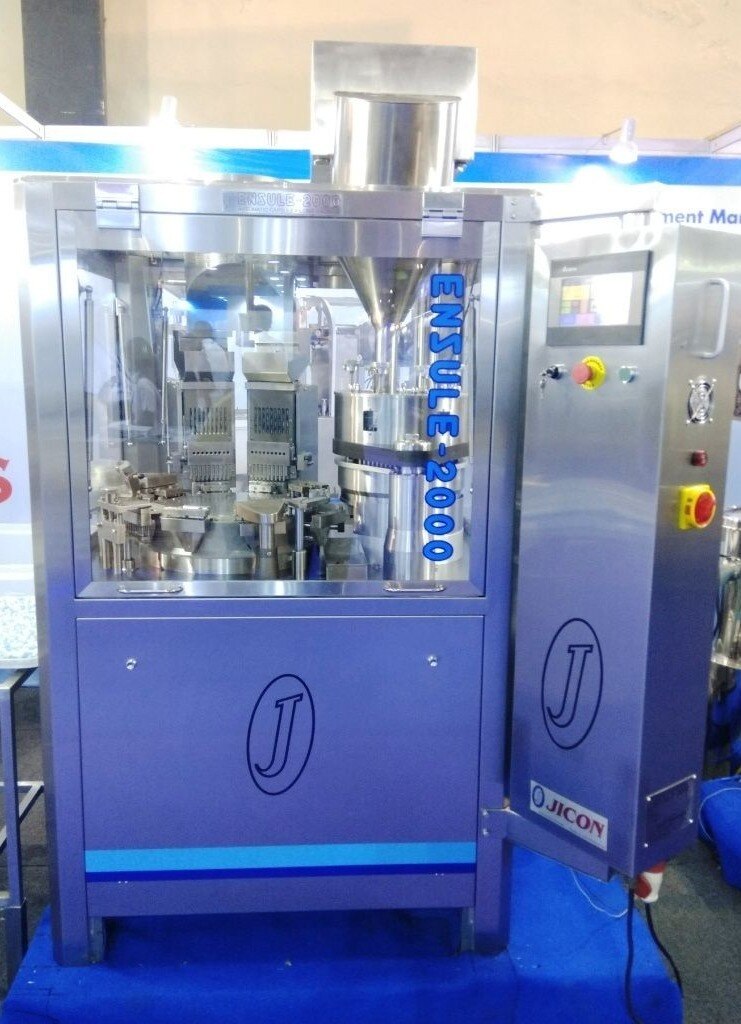
A semi automatic capsule filler combines machine-controlled dosing and capsule handling with manual loading, tray transfer and inspection. By following the cycle and checking the machine against your formulation, capsule size, output target and site utilities, you can compare quotations without mistaking a headline specification for a production-ready setup.
Key takeaways
- Request tested output for your capsule size and formulation.
- Check whether the machine handles powder, pellets, or granules you plan to fill.
- Demand a recorded changeover demonstration with cleaning and adjustment steps.
- Ask the exporter for manuals, trial results, spare-parts lists, and service terms.
The six stages of a semi automatic capsule filling cycle
1. Loading and orientation: In the semi automatic capsule filling machine basics, the operator pours empty hard shells into the capsule loading tray. Guides orient each shell so the body and cap face the correct direction; damaged or poorly aligned shells can create unfilled positions later.
2. Separation: At the body-and-cap separation station, vacuum pulls each capsule body away from its cap while the bodies remain seated in the lower tooling. Poor vacuum, distorted shells or static can leave caps attached, so inspect for incomplete separation before dosing.
3. Powder dosing: Capsule bodies move beneath the powder hopper and dosing plate. A dosing disk, tamping pins or dosator forms a measured-volume powder plug and places it in each body; this is usually volumetric dosing, not an individual weighing operation.
4. Plug formation: The dosing mechanism repeats its fill-and-tamp action until the programmed volume or plug depth is reached. Keep the powder surface level and watch for bridging, because an empty body or a short plug produces a visibly incomplete fill.
5. Closing and locking: The caps return to their matching bodies at the closing station, where pressure seats and locks the shells. Powder on the rim can prevent full engagement; check for loose caps, split shells and incomplete locking.
6. Discharge and inspection: The machine ejects filled capsules into the discharge area or a collection tray. The operator removes them for visual inspection and rejects unfilled bodies, open capsules and powder-contaminated rims. “Automatic” can describe dosing or locking only; the complete cycle still includes manual loading, transfer and inspection.
How an operator prepares and runs the machine
During a real batch, semi automatic capsule filler usage depends on controlled operator actions, not a start button alone. Use a written setup checklist and trained operators because uneven shell loading, delayed reject removal and an unlevel dosing surface change fill weight and capsule locking.
1. Confirm the capsule size, then install the matching change parts, guides and closing tooling. Clean every product-contact surface and fit the dosing plate, tamping pins or dosator assembly.
2. Check vacuum and compressed air when the machine uses them. Connect dust extraction before opening the powder path.
3. Load empty shells evenly into the tray, with bodies and caps correctly oriented. Pour the formulation into the hopper without overfilling it; an overloaded hopper can compact powder and disrupt dosing.
4. Level the powder across the dosing surface and replenish the hopper before the feed becomes shallow. Start a cycle only after checking separation, dosing and capsule closure on the first tray.
5. Transfer trays as the machine completes each cycle. Remove filled capsules from the discharge area, inspect shells and locks, and separate cracked, empty, underfilled or poorly closed capsules immediately.
Hand feeding, tray handling, shell inspection and discharge handling remain labour steps. “Automatic” describes a station, not an unattended line.
Treat operator count as a configuration question: can one person load, transfer, unload and inspect at the intended rate? If continuous tray movement or quality checks exceed that person’s capacity, use a second operator.
How powder, pellets and granules affect dosing and fill weight
One hopper setting cannot guarantee one capsule weight: volumetric dosing delivers a volume, while bulk density determines its mass. A fluffy powder and a compact powder can occupy the same plug volume but weigh differently.
| Material | Flow and dosing behaviour | Main risk |
|---|---|---|
| Free-flowing powder | Consistent flow, moderate particle-size distribution and density | Segregation if particles differ in size or density |
| Cohesive or fluffy powder | Poor flow, trapped air, static charge and moisture sensitivity | Hopper bridging, dust, tooling adhesion and inconsistent plug formation |
| Pellets | Free-flowing, defined particle size and higher bulk density | Segregation, pellet damage or a dosing plate that is unsuitable |
| Granules | Flow depends on size, shape, density and moisture | Voids, breakage and variable packing in the capsule body |
Pellets or granules may need a different dosing plate, dosator or tooling clearance than powder. Validate the complete setup rather than assuming powder settings apply.
Use this control loop in your semi automatic capsule filler usage procedure:
- Set the target fill weight and approved limits before production.
- Run an initial sample of 10 capsules. Weigh each on a calibrated balance with readability suited to the target, then calculate the average and individual variation.
- Adjust dosing volume, tamping depth or plug settings. Recheck 10 capsules after hopper replenishment, a formulation change or an operating interruption.
- During production, weigh 10 capsules every 30 minutes and after each adjustment. Use pre-set limits, such as an average of 95–105% and individuals of 90–110%, only where your product assessment approves them.
- Stop, investigate bridging, dust, adhesion or an unlevel dosing surface after an out-of-trend result. Segregate affected capsules and reconcile every rejected or unfilled shell against the batch count.
Request a trial using your formulation, capsule size and target weight. These are essential semi automatic capsule filling machine basics because bulk density—not the hopper setting alone—controls delivered mass.
How to compare output, capsule compatibility and changeover time
A machine’s headline capsules-per-hour figure is not its completed batch output. Compare the rate at your capsule size, fill weight and formulation, because powder flow, dosing repetitions and operator handling change the result.
| Measure | What it means | Why it matters |
|---|---|---|
| Cycle time | Time for one machine cycle | Shows speed, but not capsules produced alone |
| Cavities per cycle | Capsules processed in one cycle | Multiply by cycles only after confirming every cavity fills |
| Capsules per hour | Theoretical or observed hourly rate | Request a witnessed rate using your product |
| Completed batch output | Accepted capsules after interruptions and rejects | Includes loading, replenishment, cleaning, transfers and rejects |
Ask the capsule filling machine exporter for beginners to record tray loading, powder replenishment, dosing repetitions, cleaning, shell rejects and operator transfer time. A maximum figure that excludes those losses cannot confirm your production requirement.
Treat “handles all capsule sizes” as an unproven claim. Request:
- A size chart covering hard-capsule sizes 000 through 5 where offered, body and cap dimensions, orientation requirements, locking tolerances, damaged-shell limits, and HPMC or other vegetarian capsule support.
- The exact dosing plate, tamping pins, guides, separation parts and closing tooling for every size and material.
- The changeover procedure, adjustment time and validation evidence for each intended size/material combination.
A capsule filling machine exporter should demonstrate the configuration with your formulation, not a catalogue setup. Verify that the quoted changeover time includes cleaning, tool exchange, adjustment and test capsules before production resumes.
What a beginner should demand from an exporter before purchase
A defensible quotation includes test evidence, not only a catalogue capacity. A capsule filling machine exporter for beginners should provide this verification checklist:
| Evidence | Demand from the exporter | Why it matters |
|---|---|---|
| Trial report | Your formulation, target weight, sample size and individual variation data | Proves dosing performance |
| Output test | Configuration-specific rate at your capsule size, formulation and fill weight | Exposes tray, replenishment and reject losses |
| Configuration file | Capsule-size chart, dosing plates, tamping pins, guides, separation parts and changeover list | Prevents missing change parts |
| Construction file | Contact materials, surface finish, seals, lubricants, removable parts and cleaning instructions | Supports hygiene and cleaning control |
| Service file | Maintenance schedule, spare-parts list and powder-retention points | Predicts downtime and contamination risk |
| Quality records | Reject handling, deviation investigations, in-process checks and reconciliation | Shows how failures are controlled |
| Utility schedule | Voltage, phase, frequency, compressed-air pressure and consumption, vacuum, dust-extraction connection, and room-temperature or relative-humidity limits | Confirms site compatibility |
Pharmaceutical use still requires equipment qualification, written procedures, cleaning controls, sampling, deviation investigation and process validation. Food and cosmetic installations need a jurisdiction-specific review of contact materials, hygiene, allergens and product safety.
Ask Jicon Technologies Pvt Ltd, or any capsule filling machine exporter, to run the proposed configuration with your formulation rather than relying on a catalogue phrase. Put acceptance criteria in the trial record, then require operator training, installation support and a written changeover plan.
Related products
 | Capsule Filling Machines Semi Automatic Capsule Filling Machine SACF SACF I & SACF -II (Semi Automatic Capsule Filling Machines) are designed to fill hard gelatin capsules of all sizes with powders, pellets or granular... View product → |
 | Capsule Filling Machines SACF: Semi Automatic Capsule Filling Machine SACF I & SACF -II (Semi Automatic Capsule Filling Machines) are designed to fill hard gelatin capsules of all sizes with powders, pellets or granular... View product → |
Frequently asked questions
What are the six stages of a semi automatic capsule filling cycle?
The cycle covers capsule loading and orientation, separation of caps and bodies, body filling, powder or pellet dosing, capsule closing, and removal of filled capsules for inspection.
How does an operator prepare and run a semi automatic capsule filler?
The operator cleans the contact parts, checks capsule orientation, loads the material, sets the dosing arrangement, runs initial test cycles, and inspects fill weight and capsule closure before production.
How do powder, pellets, and granules affect fill weight?
Powder flow, particle size, density, moisture, and compressibility affect dosing consistency. Pellets and granules need a dosing system that prevents bridging, breakage, and uneven flow.
How should beginners compare capsule filling machines?
Compare verified output at your capsule size, compatible capsule formats, dosing accuracy, tooling changes, cleaning access, changeover time, and the operator adjustments required.
What should you demand from a capsule filling machine exporter before purchase?
Request a formulation trial, measured output and fill-weight results, a changeover demonstration, operating and cleaning manuals, a spare-parts list, warranty terms, and an after-sales support plan.