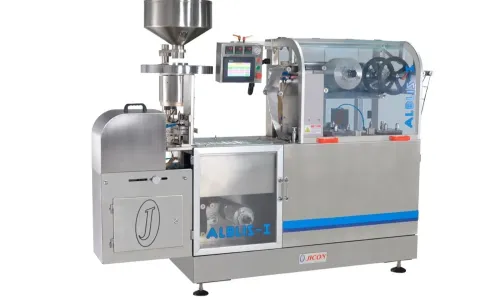

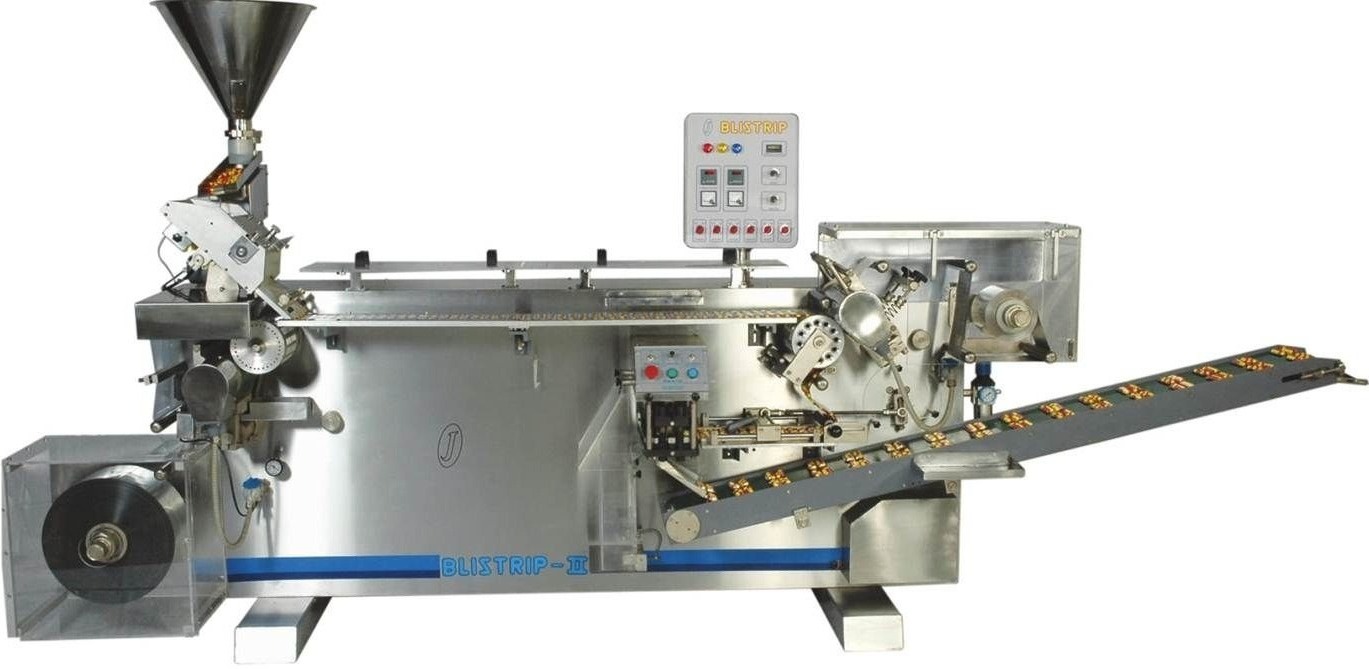
Automatic blister packaging can coordinate product feeding, forming and sealing, but the machine should be selected around the finished pack rather than automation level alone.
'
A blister line needs to handle both the product and the packaging terials. Tablet or capsule dimensions influence feeding and cavity design, while the selected forming and lidding materials affect the packaging process.
When comparing an Automatic Blister Packing Machine Manufacturer, buyers should first establish the intended pack format. This includes cavity dimensions, number of units per pack, material combination and required production volume.
Automation can reduce repetitive manual handling and create a more continuous workflow. However, production teams should also examine setup and changeover because automated equipment still needs to be configured between different products or pack formats.
Feeding is another important consideration. Products with different shapes or dimensions may require different feeding arrangements. A machine should therefore be assessed against actual product characteristics rather than simply being described as suitable for tablets or capsules.
Packaging quality also depends on stable forming and sealing. These processes need to remain coordinated with product placement to maintain a consistent finished pack.
Maintenance and operator requirements should form part of the evaluation as well. The objective is not simply to purchase an automated machine but to create a packaging workflow that can be operated and maintained practically.
For automatic blister packaging requirements, discuss your product formats, packaging materials and production targets with Jicon Technologies Pvt Ltd in Vietnam.