
An Alu-Alu blister line must keep foil, tooling, product, sealing, coding and cutting synchronised from the first unwind to the final reject check. By following each station in order, you can understand how cold-forming works, identify the settings that protect pack integrity and specify the evidence needed before approving production.
Key takeaways
- Confirm the laminate structure and heat-seal layer before machine trials.
- Use cold forming to create deep pockets without heating the aluminium web.
- Check product placement, seal temperature, pressure and dwell time together.
- Approve coding, perforation and cutting only after line-speed trials.
How the laminate moves from unwind to formed blister
The bottom foil enters the line as a cold-formable laminate, not as a loose sheet of aluminium. In the alu alu blister for packing machine process, the reel usually contains OPA on the product side, an aluminium barrier layer, and a heat-sealable PVC or polypropylene layer.
A common construction is approximately 25 µm OPA, 45 µm aluminium and 60 µm PVC, but the supplier selects thicknesses for the required cavity depth and product protection.
1. The machine unwinds the laminate from a reel while brakes or servo drives control tension. Excess tension can stretch the web and disturb the pitch; low tension can create wrinkles that prevent a clean cavity or later seal.
2. Guide rollers and an alignment system centre the web before forming. An edge sensor, registration mark or encoder tracks its position so each future pocket stays aligned with the forming die, feeder, lidding foil and cutting tool.
3. Servo indexing advances the laminate by one web pitch, then holds it still at the forming station. The pitch must match the tooling: a small error can leave a correctly shaped pocket beneath the wrong feeder channel.
4. A matched punch and die press the flat laminate into cavities by cold forming. The aluminium deforms permanently while the polymer layers protect the foil and provide the eventual sealing surface; the web is not heated to soften a plastic cavity.
5. The formed web leaves the station with empty, deep pockets ready for inspection and product loading. The tablet or capsule enters only after the machine confirms the cavity position and advances the formed strip to the filling track.
How cold forming creates deep pockets without heating the web
A matched punch-and-die set presses each flat laminate section into a cavity by plastic deformation, not by heating. The punch descends into the forming die while the web is clamped, forcing the cold-forming laminate to stretch and conform to the die’s depth, wall angle and corner radius.
The laminate normally places oriented polyamide (OPA) toward the product, aluminium in the middle and PVC or polypropylene on the sealing side. The aluminium provides the barrier, while the polymer layers protect the foil and support forming.
Foil temper, thickness and cavity geometry must match: excessive depth or a tight corner can thin the foil, create a crack or produce a pinhole.
The die controls the outside shape; the punch controls the inside shape and material flow. Correct clearance between them prevents tearing and reduces springback. A generous transition radius distributes strain more evenly than a sharp corner, while clamping around the cavity limits web movement and keeps pocket dimensions consistent.
In cold forming blister packaging, the web remains at ambient process temperature during cavity formation. The lidding operation is different: its heat-seal coating must reach the specified sealing range while pressure and dwell time are maintained.
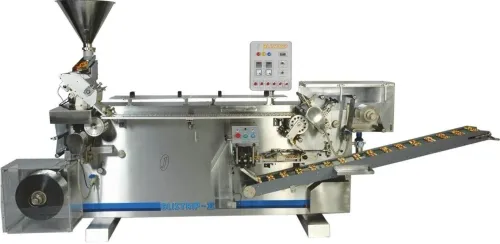
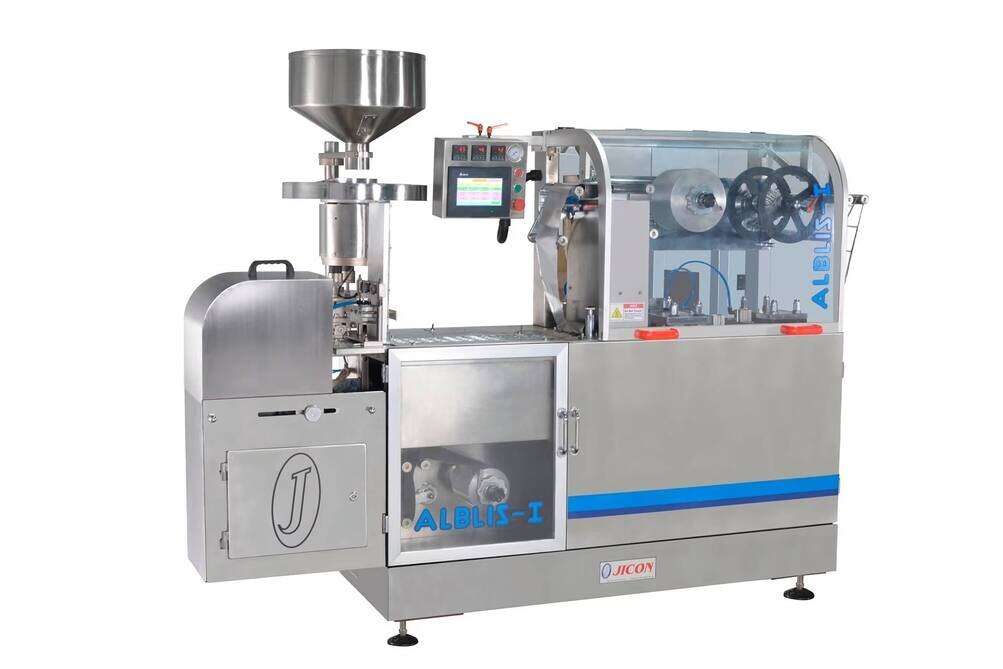
An automatic flat plate alu alu machine repeats this operation during an indexed stop. Encoder feedback and registration control must place every cavity under the correct punch; pitch drift can leave a sound pocket misaligned with the feeder, lid or cutter. Check cavity depth, wall damage and foil pinholes after format changes and die cleaning.
How products enter the pockets and how the lid is sealed
Each cavity must arrive beneath the correct feeder outlet while the cold-formed web is stationary. An alu alu blister packing machine indexes the web, opens the feed path, and drops or doses the product into each pocket before advancing it to the sealing station.
Match the feeder to the product:
- Tablets and capsules: use a channel feeder, counting disc, or electronic counter with a controlled drop height.
- Powders: use a volumetric or auger doser with dust containment and level control.
- Creams and liquids: use a pump and nozzle with anti-drip shut-off control.
Guides keep tablets from bouncing across the web, while agitators prevent bridging at the feeder outlet. A sensor or vision system checks fill count, presence, or dose weight; missing or double-filled pockets are rejected before lidding.
Run the feeder at the lowest drop height that clears the cavity, because impact can chip tablets, crack capsules, or deform soft doses.
The lidding foil unwinds with its heat-seal coating facing the formed web. Registration controls align the foil to the cavity pattern, then a heated sealing plate presses the two layers together across the seal land. Temperature must reach the coating’s specified sealing range, while pressure, dwell time, plate parallelism, and clean contact surfaces remain stable.
Too much heat or pressure can distort the pocket or squeeze product into the seal. Too little heat or dwell leaves channels and weak seals. Confirm performance with seal-strength testing and leak or dye testing where appropriate, including start-up and stop-restart samples.
How indexing, coding, perforation and cutting finish the pack
A stable indexed stroke keeps the forming die, feeder, sealing plate and cutting die on the same web pitch. Set the servo index from the approved format, then verify encoder feedback, guide alignment, web tension and registration-mark detection; pitch drift can align cavities correctly while shifting the product, print or cut contour.
| Operation | Setting or check | Defect caught |
|---|---|---|
| Coding | Trigger the printer from the registration mark or encoder position; inspect character clarity and code content | Wrong, blurred or misplaced code |
| Perforation | Set score depth and residual bridges to the approved drawing; measure tear force during start-up | Tearing too early or refusing to separate |
| Cutting | Centre the die to the blister pitch; check contour, corner radius, burrs and edge deformation | Ragged edges, incomplete cuts or damaged pockets |
| Web indexing | Confirm pitch at several consecutive strokes, not only one | Cumulative misregistration |
Place vision inspection after coding and sealing, before perforation or cutting hides a defect. Check every cavity for presence, count and damage, and inspect the lid for foil shift, wrinkles, open seals and product trapped in the seal. Use feeder sensors to stop or reject missing tablets and capsules.
Reject packs with incorrect print, incomplete perforation, broken residual bridges or an out-of-tolerance cut. Record seal temperature and pressure alongside the inspection result, because a clean-looking blister can still have a weak seal. During format changeover, run a measured sample and approve print position, cavity-to-code alignment and cut dimensions before releasing automatic production.
What to verify before approving an Alu-Alu machine for production
Approve an Alu-Alu machine only after it proves your product, laminate, cavity geometry and lidding foil at the proposed operating window. An output rate demonstrated with an empty web proves little about fill accuracy, seal integrity or repeatability.
1. Request the URS, machine layout, utility schedule, electrical standard and voltage, risk assessment, conformity documents for the destination market, operating and maintenance manuals, spare-parts list, software version and password policy.
2. Make the FAT protocol measurable. It must define the intended OPA/aluminium/PVC or PP laminate, product quantity, cavity size, indexing speed, start-up and stop/restart runs, sampling plan, acceptance limits and handling of rejected packs.
3. Run the FAT with your actual tablets, capsules, powder, cream or liquid. A channel feeder or counter suits solid doses; pumps and drip-control checks are necessary for liquids, while powders require containment and dust-control evidence. Do not accept a generic feeder trial.
4. Demand recorded results for fill-count or fill-weight capability, seal strength or seal integrity, leak or dye testing where appropriate, code readability, vision-system challenge tests and reject verification. Repeat the tests at start-up, steady state and after a stop/restart.
5. Require an SAT protocol that repeats critical checks at your site, followed by IQ, OQ and PQ support, calibration records, cleaning instructions and changeover instructions. Missing passwords, drawings or validation evidence turns a fast machine into a production risk.
Jicon Technologies Pvt Ltd should be assessed by the same evidence as any Alu-Alu blister exporter: signed FAT and SAT results, not a brochure’s maximum packs-per-minute claim.
Related products
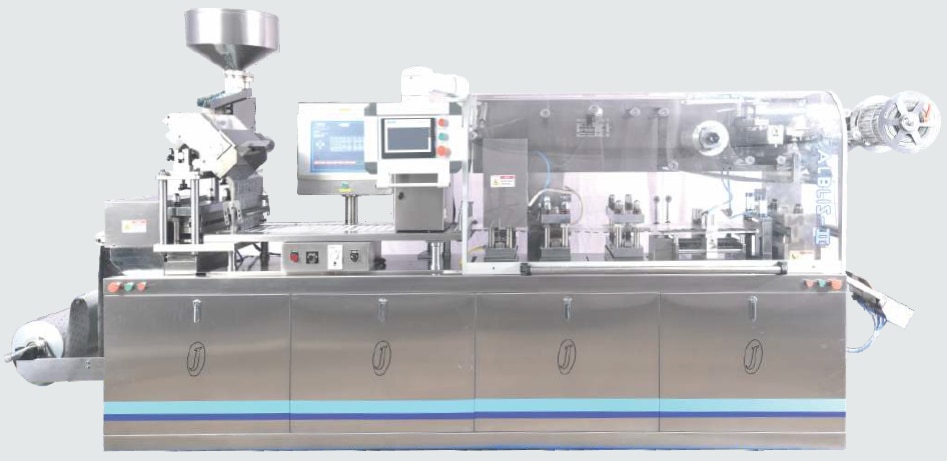 | Blister Packing Machines ALBLIS-II: Automatic Flat Plate Blister Packing Machine ₹1 Automatic Flat Plate Blister Packing Machine (Ideal for Commercial High Output batches): ALBLIS is a versatile ‘Flat Plate’ intermittent motion... View product → |
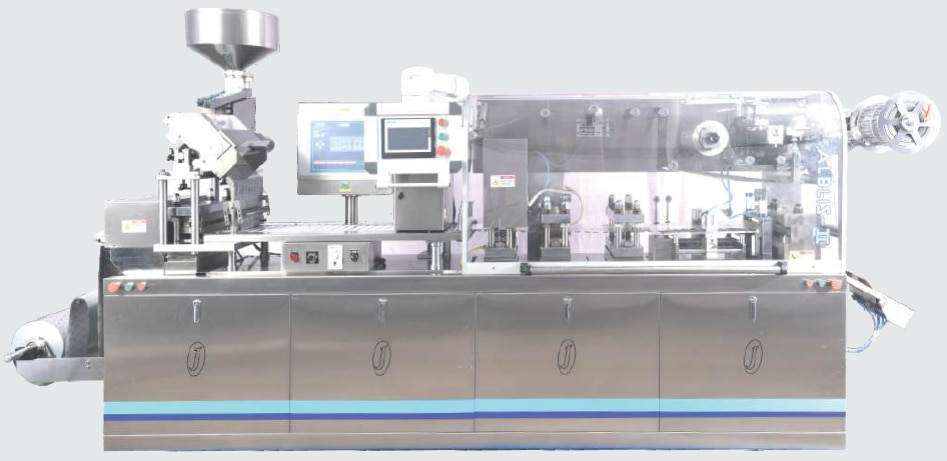 | Blister Packing Machines Automatic Flat Plate Blister Packing Machine ALBLIS-II ₹1 Automatic Flat Plate Blister Packing Machine (Ideal for Commercial High Output batches): ALBLIS is a versatile ‘Flat Plate’ intermittent motion... View product → |
Frequently asked questions
How does the laminate move from unwind to the formed blister?
The bottom foil unwinds from a reel, passes through web-guiding and tension-control systems, and reaches the forming station. The machine then indexes the cold-formable laminate into position for pocket formation.
How does cold forming create deep pockets without heating the web?
A forming tool presses the aluminium-based laminate into a die, stretching and shaping it mechanically. The process creates deep cavities without heating the web before forming.
How do products enter the pockets and how is the lid sealed?
A feeder places each product into an empty pocket, after which lidding foil is positioned over the filled web. Heat, pressure and dwell time bond the lidding layer to the sealable layer around each pocket.
What finishes an alu alu blister pack?
Indexing positions each blister accurately for coding, perforation and cutting. The finished web is separated into individual packs or strips after the machine verifies alignment and cut location.
What should you verify before approving an alu alu blister machine for production?
Check laminate compatibility, pocket depth, product placement, seal integrity, line speed, coding readability, perforation quality, cut accuracy and changeover repeatability during documented trials.
Related products
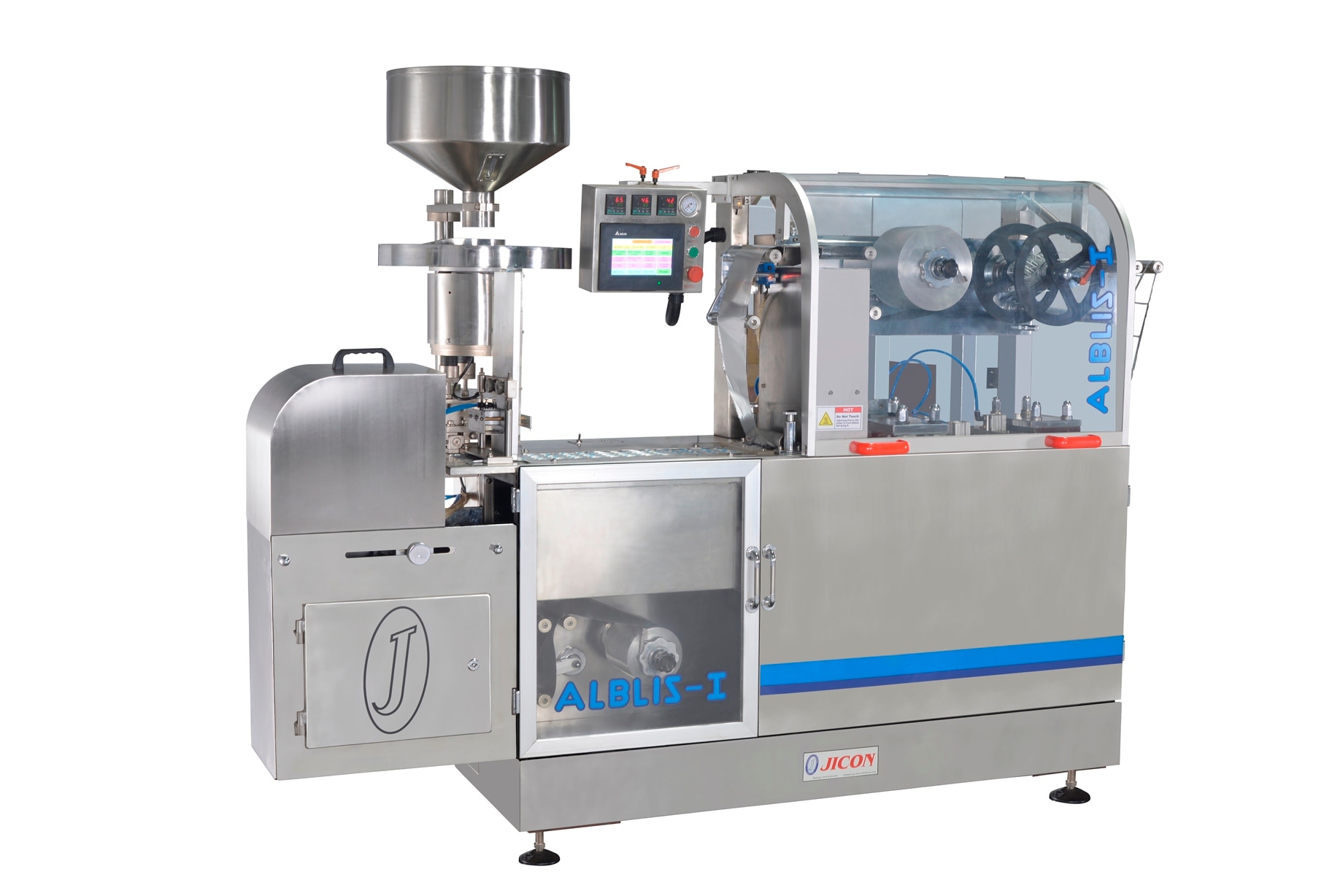 | Blister Packing Machines Automatic Flat Plate Blister Packing Machine ALBLIS-I Flat Plate Blister Packing Machine Ideal for R&D, pilot plants and small batch production: ALBLIS is a versatile ‘Flat Plate’ intermittent motion... View product → |
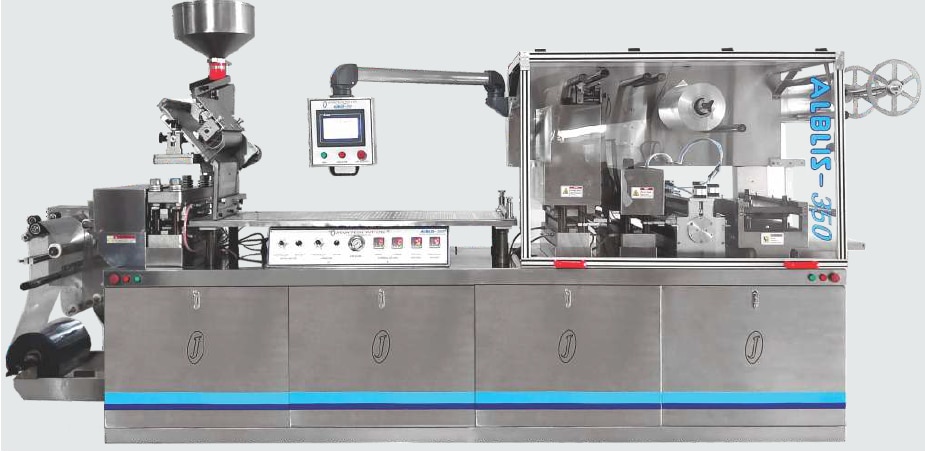 | Blister Packing Machines Automatic Flat Plate Blister Packing Machine ALBLIS-350 ALBLIS-350 is a versatile ‘Flat Plate’ intermittent motion automatic blister packing machine that can produce Alu-Alu blister packs by cold forming... View product → |
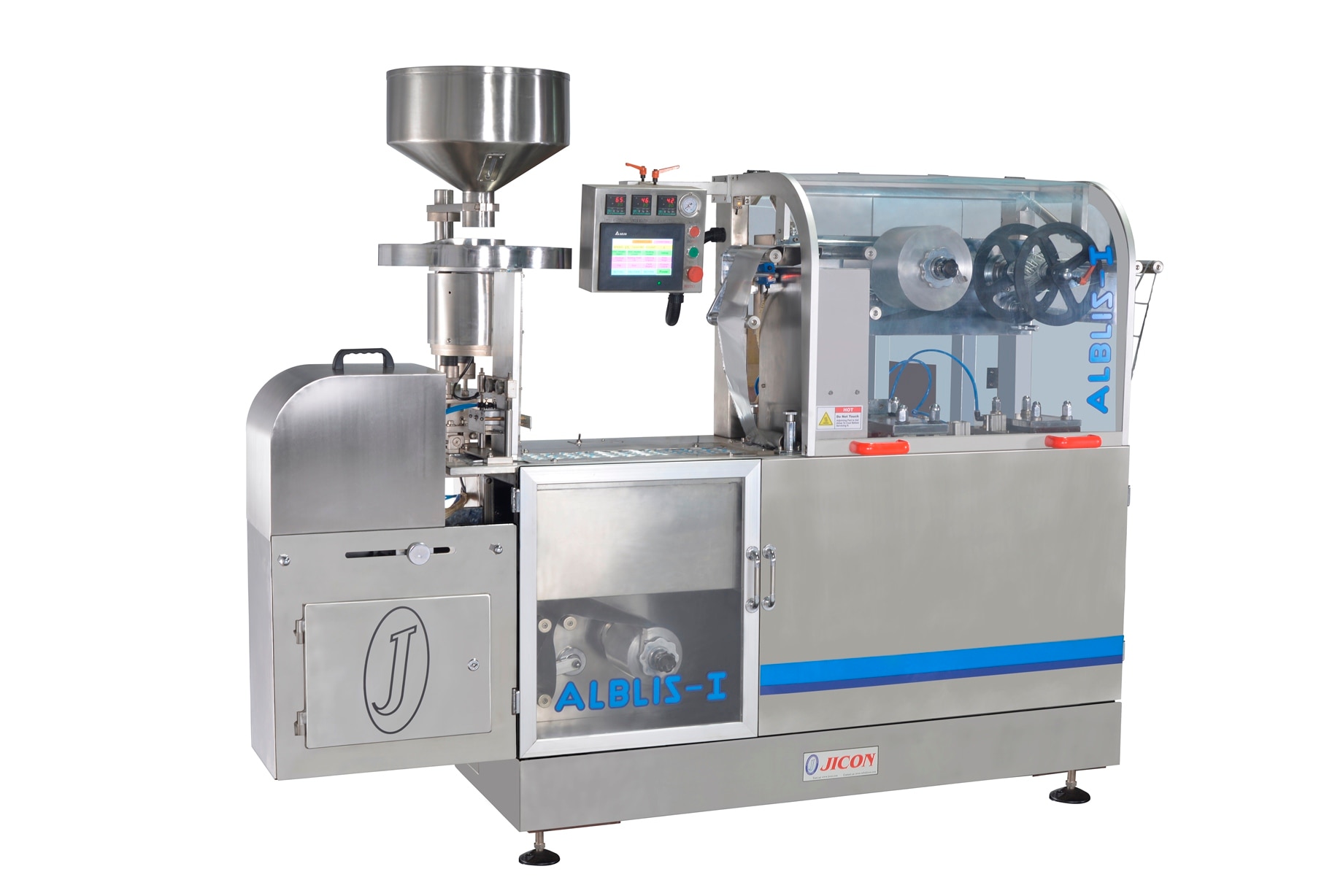 | Blister Packing Machines ALBLIS-I: Automatic Flat Plate Blister Packing Machine Flat Plate Blister Packing Machine Ideal for R&D, pilot plants and small batch production: ALBLIS is a versatile ‘Flat Plate’ intermittent motion... View product → |
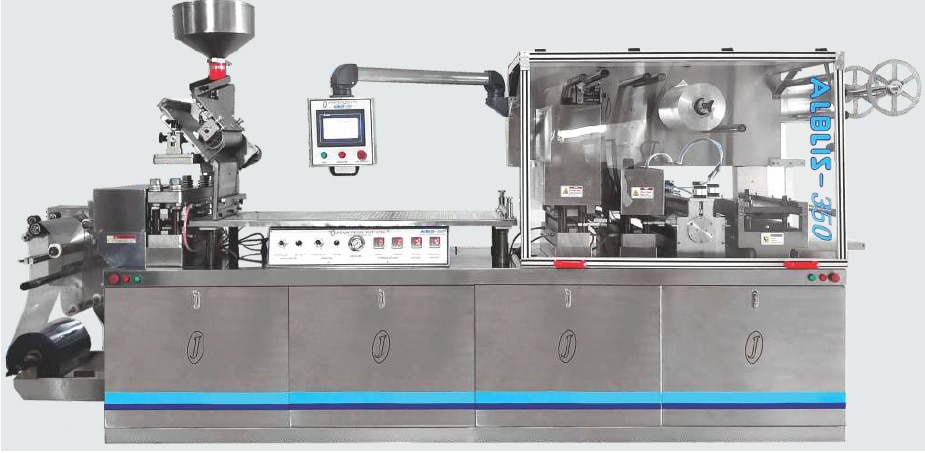 | Blister Packing Machines ALBLIS-350: Automatic Flat Plate Blister Packing Machine ALBLIS-350 is a versatile ‘Flat Plate’ intermittent motion automatic blister packing machine that can produce Alu-Alu blister packs by cold forming... View product → |