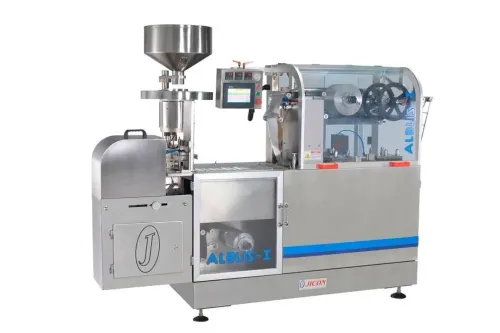

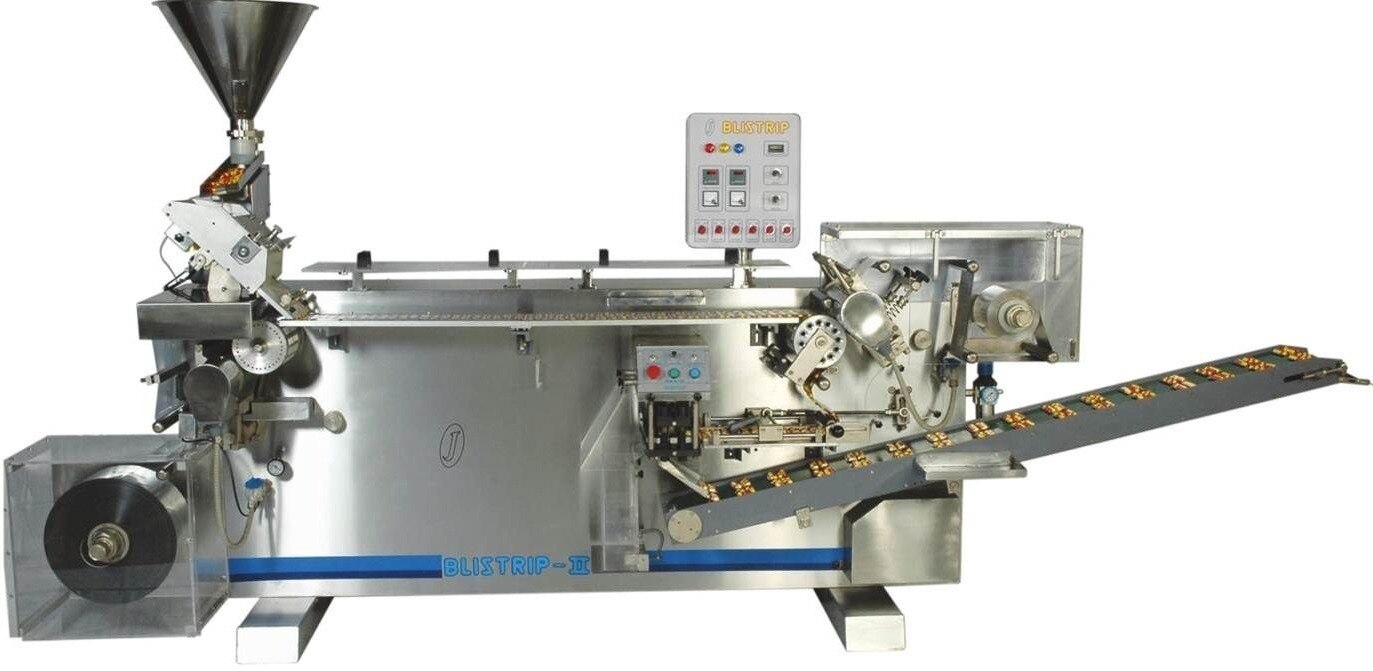
Packing faults usually begin at a specific station: a feeder that fails to singulate tablets, a forming web that loses registration, a sealing plate carrying contamination or a reject mechanism that does not remove the failed pack. You will learn how to trace each symptom to its likely cause, recover the line safely and use inspection records to prevent the same fault from returning.
Key takeaways
- Trace faults to the forming, feeding, sealing, coding or cutting station.
- Stop and clear jams using a documented recovery sequence.
- Inspect recovered packs and challenge the inspection system before restart.
- Record recurring faults to target preventive maintenance and operator training.
How indexed stations prevent one fault from becoming many
An automatic flat plate blister packing machine runs forming, product feeding, sealing, coding, cutting and discharge at defined indexed stations. Registration and indexing move each web section to the correct position; a timing error can therefore shift print, miss a seal or misplace a cut across several consecutive pockets, not just one blister.
Controlled forming and sealing depend on the validated combination of material, temperature, pressure, dwell time, alignment and machine speed. PVC thickness, lidding-foil coating, blister format and line speed change the workable window, so one universal temperature or pressure setting cannot control every format.
Poor alignment or a short dwell can turn a good recipe into shallow cavities or leaking seals.
| Condition | Meaning | Required response |
|---|---|---|
| Sensor interlock stop | The machine detected a condition such as missing product, lost registration or low air pressure | Hold the process until the condition is cleared; inspect the affected zone before reset |
| Quality failure | Packs already produced show a defect or cannot be confirmed acceptable | Stop, identify the affected quantity and segregate packs back to the last verified-good check |
Fault reduction depends on detecting the affected zone quickly and recording the last verified-good index before restarting. Do not treat a cleared sensor as proof that earlier packs are acceptable: examine material made during stopping, clearing, rethreading and registration recovery, then verify tracking, forming, sealing, coding, cutting and discharge before release.
Diagnose the fault by station before changing settings
Do not change temperature first. For automatic flat plate blister packing machine problems, identify the station producing the defect, then compare the fault with the approved recipe and last verified-good index.
1. Shallow, cracked or distorted cavities point to forming. Check forming temperature, pressure, dwell and material suitability; compare PVC thickness across the lot, inspect aluminium foil condition, and look for worn forming tooling.
2. Web drift, skewed print, foil wrinkles and poor registration require a tracking check. Inspect guide alignment, curling stock, web tension, material tracking and index timing before changing settings.
3. Incomplete seals or leaks require inspection of sealing pressure, temperature, dwell, plate alignment and seal width. Clean contamination from the sealing area and check for damaged seal coating; a hotter plate will not repair a misaligned plate or defective foil.
4. Empty or double-filled pockets, trapped products, and damaged tablets or capsules start at feeding. Check singulation, bridging, product orientation, dust, feeder timing and the missing-product detector. The detector rejects a missing product; it cannot correct poor feeding.
5. Incomplete cuts or perforations usually result from worn tooling, incorrect registration or unsuitable settings. Inspect cut position and edge quality before releasing cards.
6. Treat rejected blisters as either a real defect or an over-sensitive inspection recipe. Confirm the defect at the pocket, then review camera thresholds, lighting, product presentation and reject timing before widening acceptance limits. Record the station, evidence and affected indices.
Follow a controlled recovery sequence after a stop or jam
A restart is not a recovery. Treat every stop on an automatic flat plate blister packing machine as a possible loss of process control until the affected material and fault cause are established.
1. Stop the machine with the defined stop control, place it in its safe state, and prevent access to moving, cutting or hot parts. Isolate electrical, pneumatic, thermal and other energy sources where the risk assessment or procedure requires it.
2. Read the alarm and identify the fault zone. Record the last verified-good index and the first suspect index before removing anything. Quarantine packs through the documented recovery boundary, including material made during stopping, clearing, rethreading, warm-up and registration recovery.
3. Remove trapped tablets, capsules, foil or web without levering against forming or cutting tools. Inspect the forming tools, sealing surfaces, guides, sensors, air lines, feeder area and reject components for damage, contamination, displacement or blocked air.
4. Address the cause before resetting the control system. Run empty cycles and confirm web tracking, cavity alignment, indexing, sealing movement, coding and cutting. Test the reject mechanism separately from the detector: prove that the detector signals a known fault and that the reject device removes the correct pack.
5. Approve the first recovered packs only after visual, dimensional, seal, code and product-presence checks pass. Do not release quarantined material merely because production has resumed; document the disposition and retain the last-good and first-bad pack numbers.
Prove that the recovered packs and inspection system are reliable
Release recovered packs only after every affected index passes a defined check; a successful restart is not evidence of control.
1. Inspect forming and feeding. Look for cracked or distorted cavities, wrinkles, trapped product and missing pockets. Measure pocket length, width and depth against the approved format, then reconcile product weight or count. Compare suspect packs with samples from the same material lot.
2. Check material before changing settings. Examine foil for pinholes, PVC for thickness variation, stock for curling and sealing material for damaged coating. If the defect follows the web, suspect material; if it stays at one station, suspect forming, feeding or machine settings.
3. Verify sealing, perforation, cutting and printing. Measure seal width, perform the site-approved leak test, and check for contamination or incomplete seals. Confirm perforations and cut positions separate cards cleanly, and inspect batch codes for skew, missing characters and poor legibility.
4. Investigate ALBLIS II packing faults separately from product faults. Check dirty optics, lighting, recipe selection, camera alignment, product presentation and reject timing. Challenge the reject actuator; confirm air supply, reject confirmation and bin-full interlocks. A camera can detect a bad blister while a failed reject system sends it to good-product output.
5. Before disposition, record the batch number, alarm details, photographs, last-good and first-bad pack numbers, inspection results and rejection-log quantities in the batch record. Quarantine material through the documented recovery boundary until quality approval.
Turn repeated faults into a prevention and service plan
Repeated short stops need a prevention plan, not repeated resets. Document cleaning of sealing surfaces, sensors and optics; inspect forming, sealing and cutting tooling; check guides and alignment; and lubricate only as specified in the equipment manual.
- Identify every change part by format, drawing or part number before removal and installation.
- Record the approved recipe, including temperature, pressure and dwell time, then investigate any drift outside its validated window.
- After intervention, verify web tracking, cavity alignment, seal quality, coding, cut position and reject operation.
Use a fault log with these fields: station, alarm text, format, material lot, speed, temperature, pressure, affected quantity, cause and corrective action. Review it by Pareto ranking.
| Repeated pattern | What the Pareto review can expose | Next investigation |
|---|---|---|
| Feeder stops | Bridging, poor singulation or timing drift | Product presentation and feeder settings |
| Web-tracking faults | Guide, tension, curling stock or alignment | Web path and material lot |
| Seal or forming defects | Material variation or recipe drift | PVC, foil, tooling and validated recipe |
For an automatic flat plate blister packing machine for fault recovery in Thane, ask the supplier for a written recovery procedure, fault-history review, failed-pack photographs, recipe and format identification, spare-part requirements, escalation contacts and training on post-intervention checks. Evaluate Jicon Technologies Pvt Ltd against those documented controls, not a promise of fast attendance.
Related products
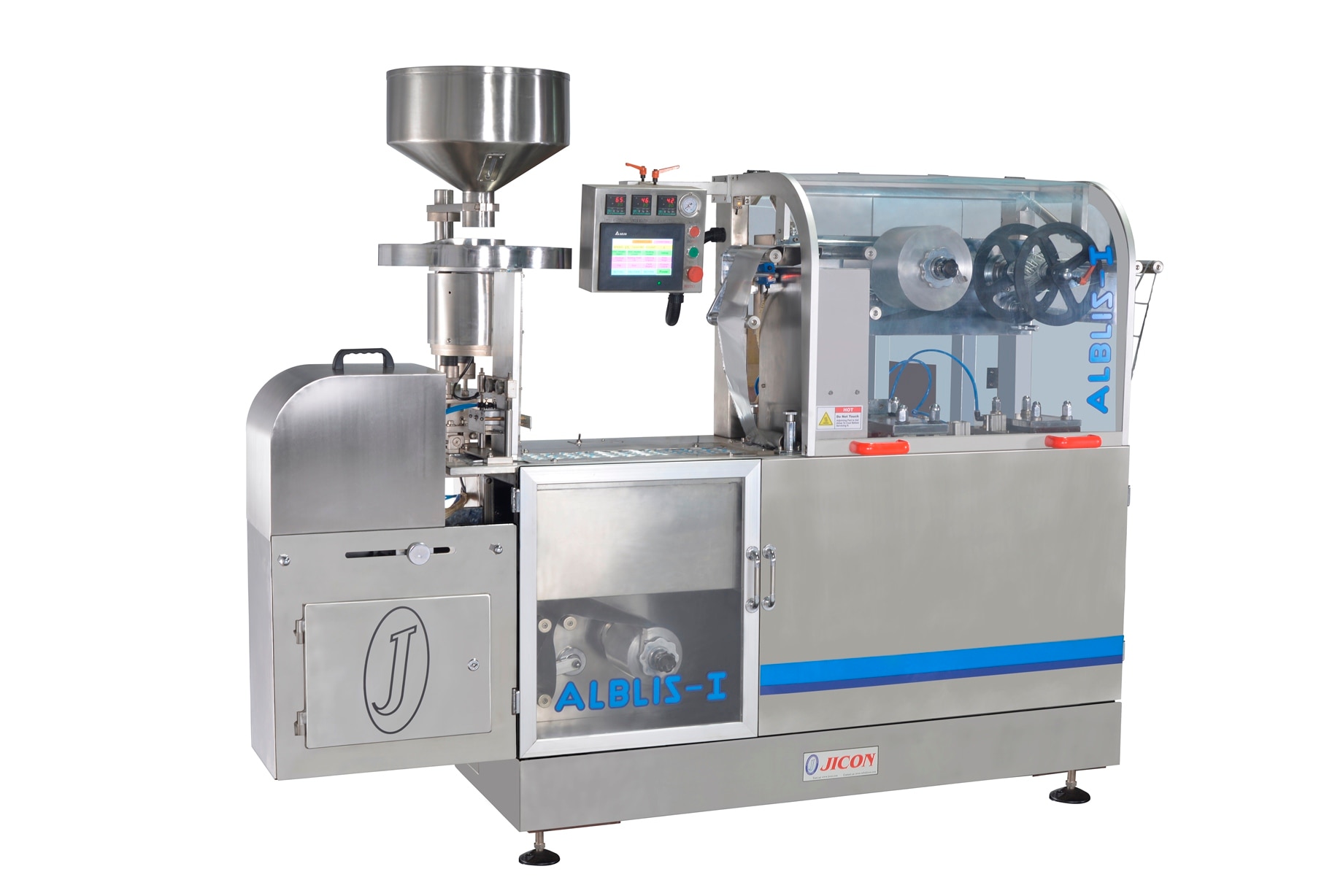 | Blister Packing Machines ALBLIS-I: Automatic Flat Plate Blister Packing Machine Flat Plate Blister Packing Machine Ideal for R&D, pilot plants and small batch production: ALBLIS is a versatile ‘Flat Plate’ intermittent motion... View product → |
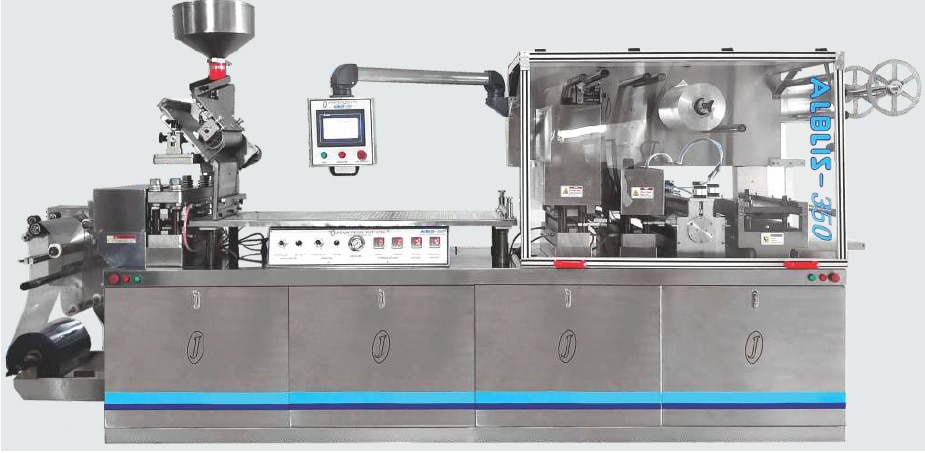 | Blister Packing Machines ALBLIS-350: Automatic Flat Plate Blister Packing Machine ALBLIS-350 is a versatile ‘Flat Plate’ intermittent motion automatic blister packing machine that can produce Alu-Alu blister packs by cold forming... View product → |
Frequently asked questions
How do indexed stations prevent blister packing faults from spreading?
Indexed stations move each web section to a defined position, limiting forming, feeding, sealing, coding and cutting errors to controlled sections when timing remains accurate.
How should you diagnose automatic flat plate blister packing machine problems?
Identify the affected station first, then inspect registration, indexing, product feed, temperature, pressure, coding alignment or cutting position before changing settings.
What should you do after a stop or jam on a blister packing machine?
Stop the machine, isolate energy where required, remove the cause of the jam, segregate affected packs, inspect the web path and restart through a documented sequence.
How can you prove recovered blister packs and inspection systems are reliable?
Inspect seal integrity, pocket fill, print, cut position and appearance, then challenge configured sensors or vision checks and document the results before release.
Related products
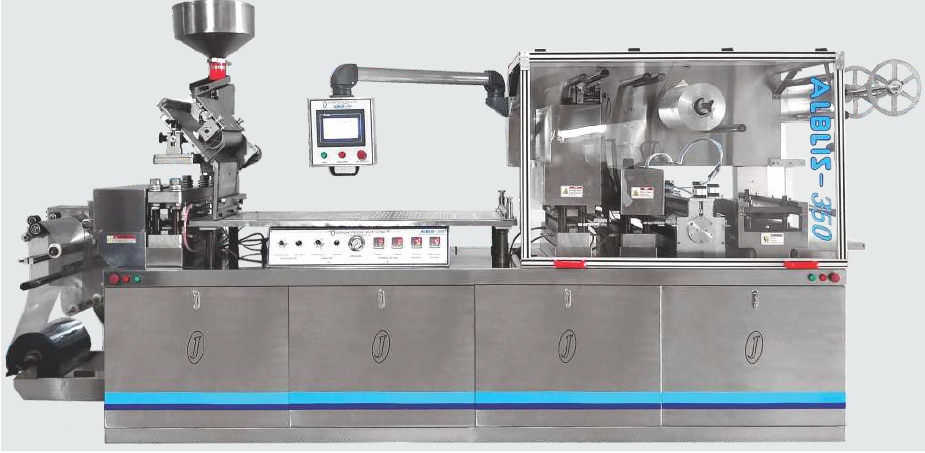 | Blister Packing Machines Automatic Flat Plate Blister Packing Machine ALBLIS-350 ₹1 ALBLIS-350 is a versatile ‘Flat Plate’ intermittent motion automatic blister packing machine that can produce Alu-Alu blister packs by cold forming... View product → |
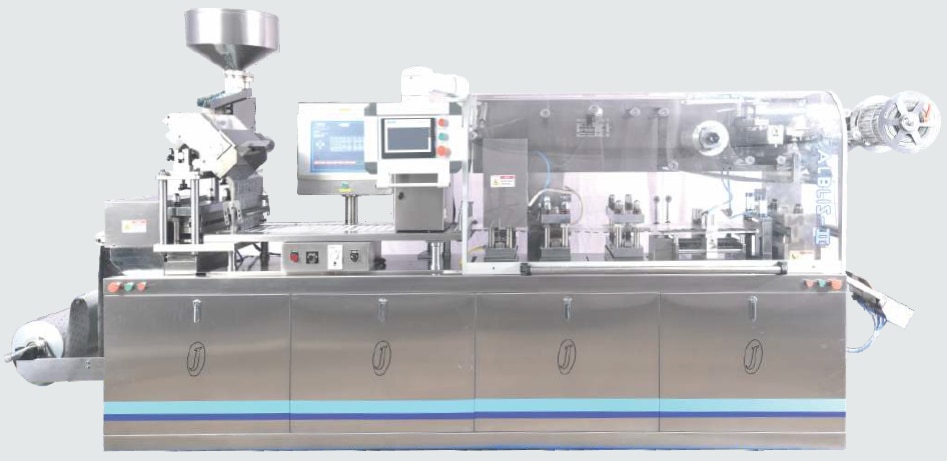 | Blister Packing Machines ALBLIS-II: Automatic Flat Plate Blister Packing Machine ₹1 Automatic Flat Plate Blister Packing Machine (Ideal for Commercial High Output batches): ALBLIS is a versatile ‘Flat Plate’ intermittent motion... View product → |
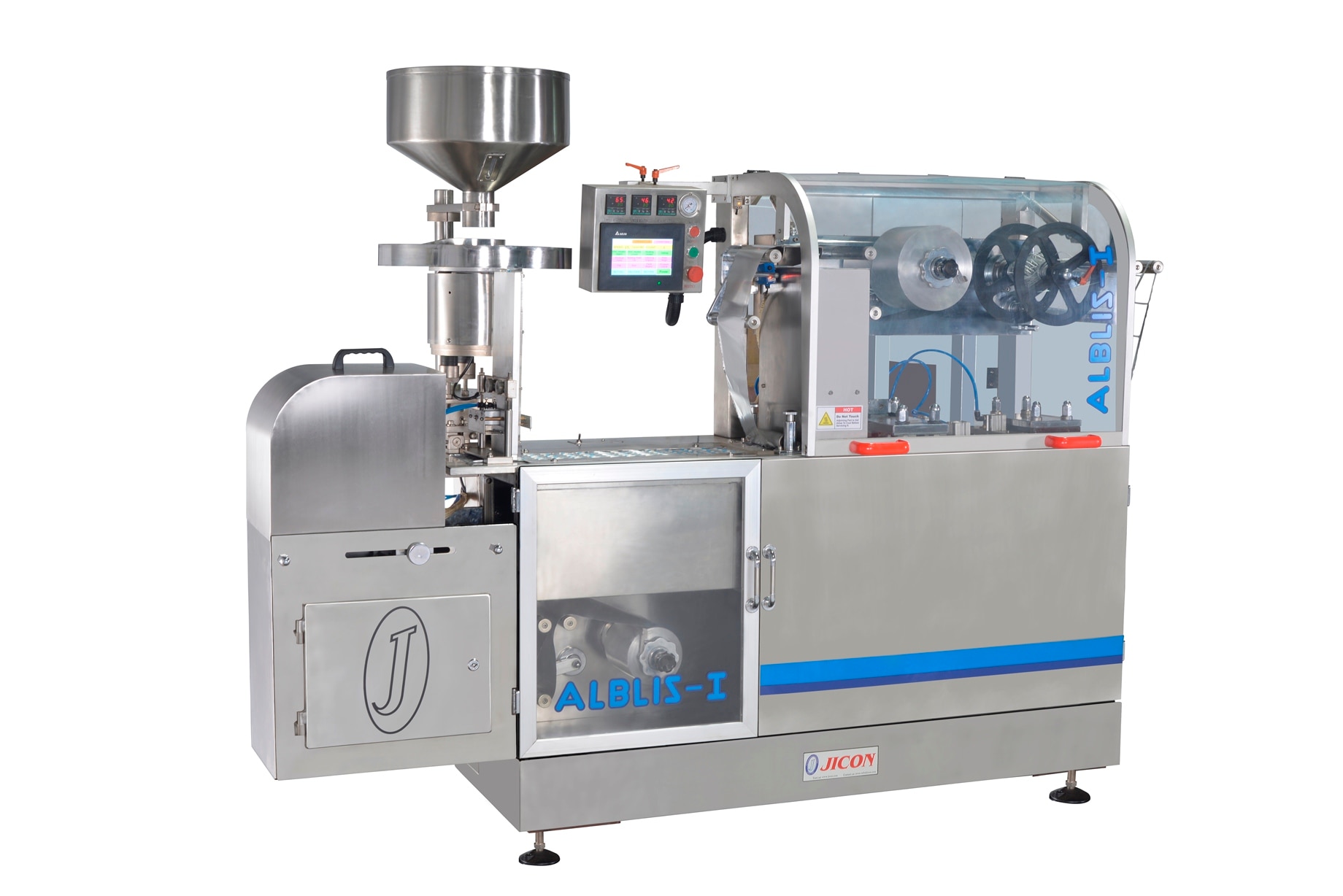 | Blister Packing Machines Automatic Flat Plate Blister Packing Machine ALBLIS-I ₹1 Flat Plate Blister Packing Machine Ideal for R&D, pilot plants and small batch production: ALBLIS is a versatile ‘Flat Plate’ intermittent motion... View product → |