
The right cartoner depends on the product path, not the label “automatic”: a flexible strip, a rigid blister, and a capped tube need different feeding, orientation and inspection controls. By comparing product and carton limits, machine motion, line integration, testing and site conditions, you can define which format fits your Thane packaging line.
Key takeaways
- Choose the infeed around strip flexibility, blister cavities or tube deformation.
- Match carton dimensions, leaflet folds and loading pattern before comparing speeds.
- Test feeding, inspection and traceability with your actual products and packaging.
- Run factory trials before commissioning an automatic cartoning machine in Thane.
Start with the product path: strip, blister or tube
A strip, blister or tube determines the infeed before it determines the carton speed. Strip packs are flat, flexible foil-sealed webs; formed blisters have cavities and resist bending; tubes can roll, skew or deform at the shoulder and crimp.
Specify a cartoning machine for blister strips in Thane by the complete path: accumulation, counting or collation, leaflet insertion, carton erection, loading, flap closing, coding, vision inspection and reject handling. A quoted cartons-per-minute figure is meaningless if the feeder cannot deliver your required units per carton.
Use this checklist before comparing a blister strip cartoner India supplier or machine:
- Record each strip or blister’s length, width, height, seal profile, stiffness and permitted compression load. Test the actual format, not a nominal sample.
- Record tube diameter, tube length, cap diameter and height, material, shoulder, tail or crimp dimensions, filled weight and required orientation.
- Demand pocketed or lugged tube conveying when flexible bodies, large caps or readable crimp codes could roll, scuff or turn during transfer.
- State whether each carton receives one unit, a counted bundle or multiple units, and whether the leaflet enters beside or above the product.
- Test shortest and longest products, low and high weights, curled strips, variable seals, mixed stiffness and deliberately difficult orientations.
A tube cartoner needs different spacing, orientation control and code inspection from a strip line. If the tube code must match the carton code, preserve its position through loading and verify both before release.
Match the carton, leaflet and loading pattern
Before comparing cartons per minute, define the carton, closure, leaflet and loading pattern the line must accept. A specification for pharmaceutical cartoning equipment should state dimensions in millimetres, board thickness in gsm, and the number of strips or tubes per carton.
| Option | What to verify | Failure if mismatched |
|---|---|---|
| One strip or tube per carton | Product length, width, height or diameter; insertion orientation; pocket spacing | Crushing, skewed loading or an empty carton |
| Multiple units per carton | Count per carton, collation pattern and accumulation space | Double loading, count errors or stalled infeed |
| Tuck-in closure | Carton blank dimensions, flap length, tuck depth and board stiffness | Open flaps, torn corners or cartons that will not close |
| Glue closure | Glue pattern, open time, compression zone and board coating | Weak seals, glue strings or rejected packs |
| Folded leaflet | Flat size, fold sequence, thickness and insertion direction | Crumpled leaflets, missing inserts or obstructed closure |
Give the supplier the full matrix: carton length, width, height, board thickness, blank grain direction, leaflet flat and folded sizes, and the maximum product count. Include the smallest and largest formats, not just the current pack.
Ask how the machine controls printed cartons and leaflets. Written receipt, reconciliation, line clearance and electronic or physical segregation address the mix-up risks identified in 21 CFR 211.122 and 211.130.
Specify recipe-controlled settings, identified change parts and a changeover record that measures the first acceptable carton, not merely the time spent fitting parts.
Compare JCT-100, JCTBL-100 and JCT-100T by line behaviour
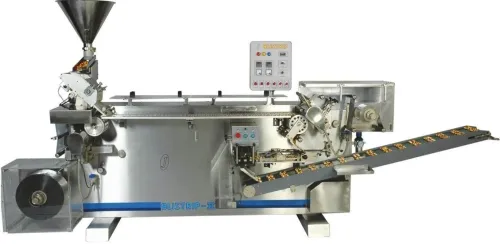
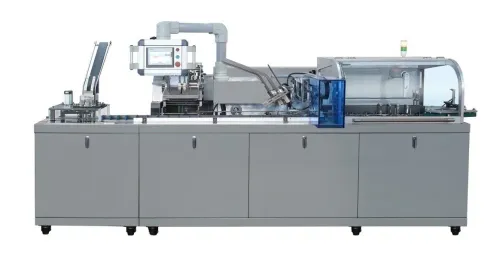
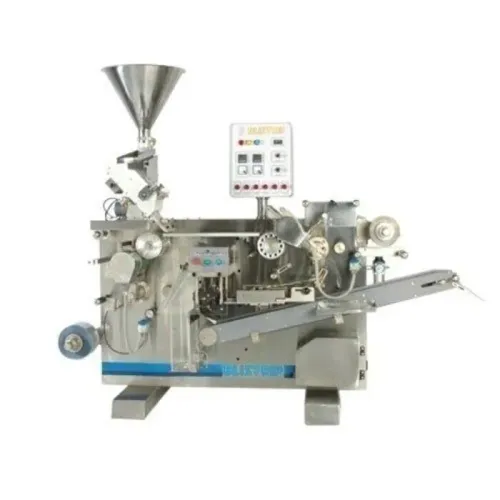
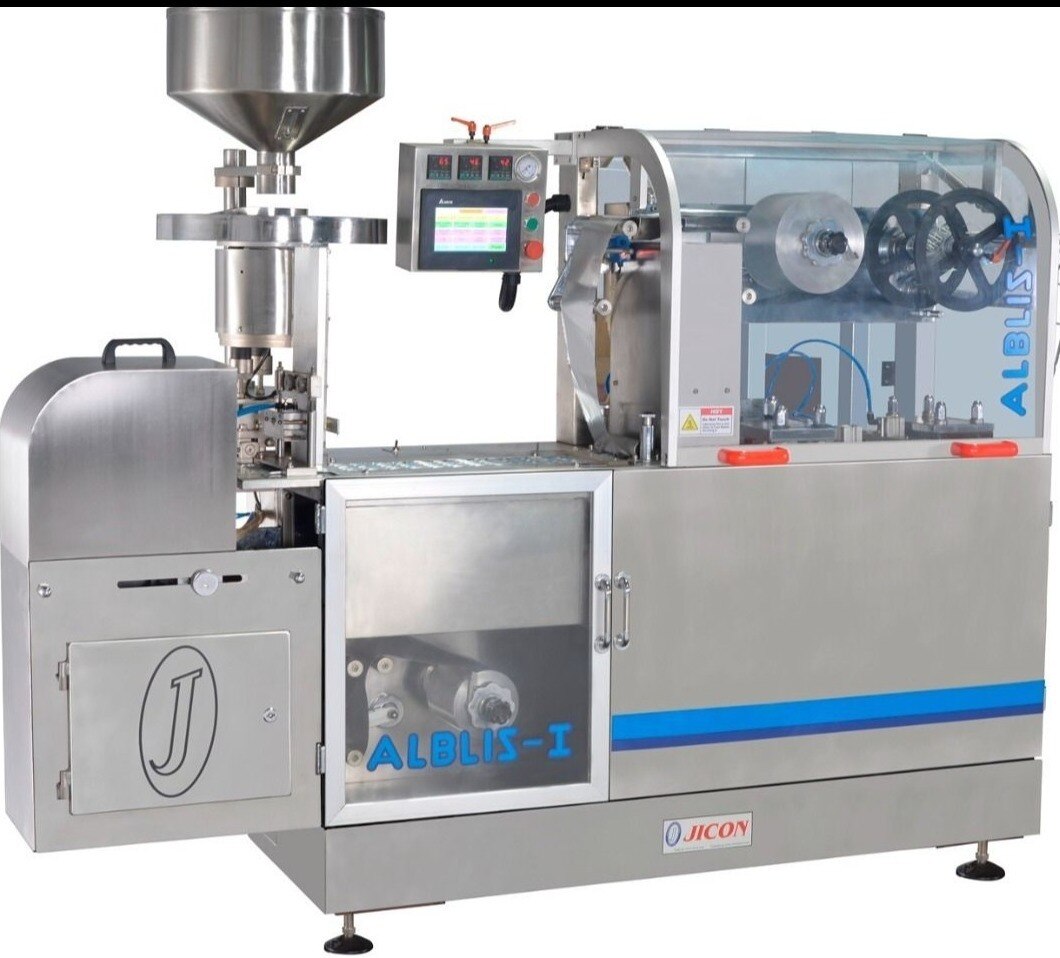
Choose JCTBL-100 for a blister-strip line whose main risk is collation accuracy; choose JCT-100 for mixed formats only after trials prove each product path. Choose JCT-100T when tubes need steadier transfer and separation before loading.
| Option | Line behaviour | Best fit |
|---|---|---|
| JCT-100 | Flexible intermittent loading for a varied product range; confirm tooling, orientation and one-or-multiple-unit collation for each format. | Mixed tubes, strips or other packs with regular changeovers. |
| JCTBL-100 | A blister-focused arrangement where strip accumulation, counting, leaflet insertion and loading must remain synchronised. | Blister strips with a fixed collation pattern and repeatable carton contents. |
| JCT-100T | The double conveyor changes tube transfer behaviour by giving the infeed a dedicated transfer path; test spacing, cap orientation and tail clearance. | Tube lines requiring stable feeding or sustained output across approved tube formats. |
Compare repeatable changeover, not mechanical part-swap time. Record the time from the last good batch through line clearance, recipe selection, guarded adjustment, first acceptable carton and confirmed reject operation.
For an automatic cartoning machine in Thane, ask Jicon Technologies Pvt Ltd to demonstrate your largest tube cap, stiffest strip stack and smallest leaflet at the intended collation. Measure good cartons per minute, misfeeds, carton damage, leaflet errors and reject recovery over a sustained run.
A higher nominal speed is the wrong choice if spacing collapses or operators stop the line to correct loading. 马会
Related products
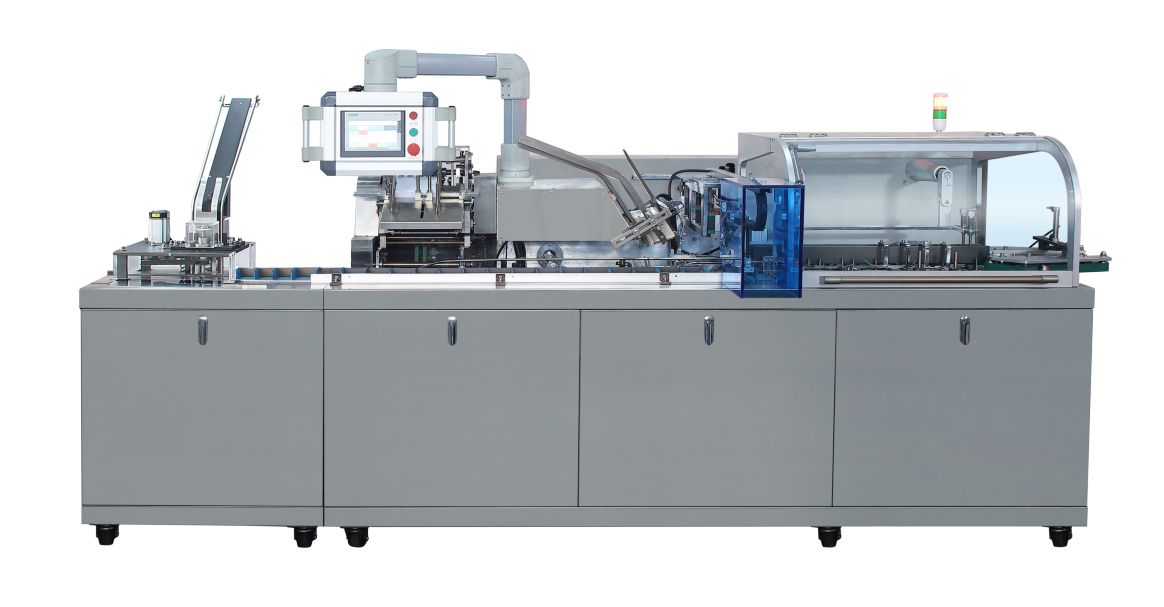 | Accessories & Ancillary Equipments Auto Cartonator for Blistered Strips and Tubes ₹1 JCT-100 and JCTBL -100 are truly powerful horizontal cartoning machines of intermittent motion. View product → |
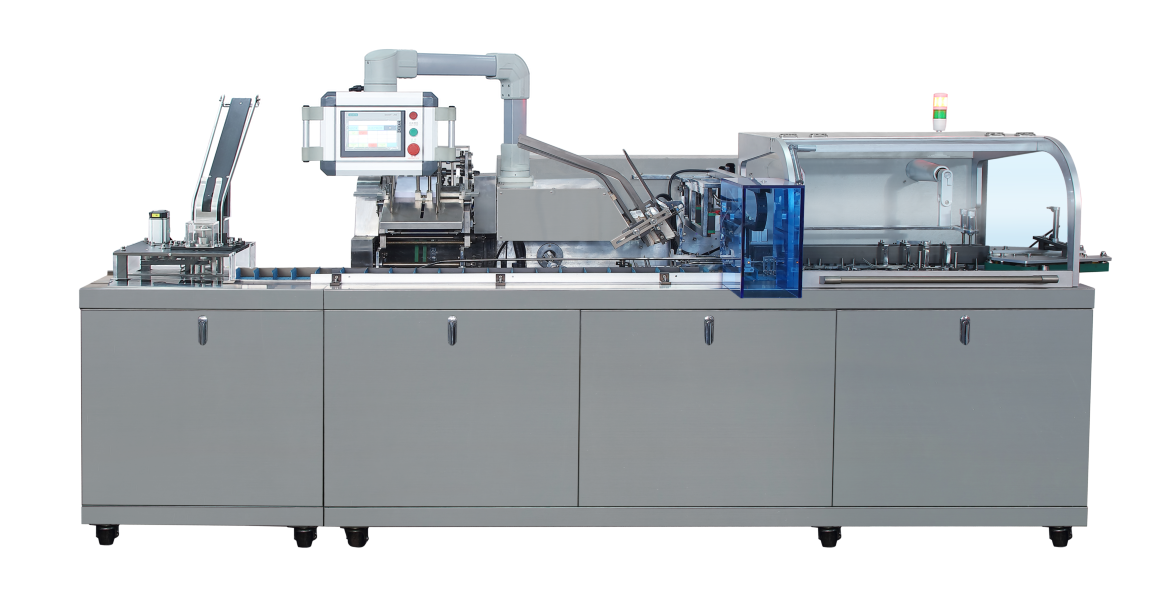 | Accessories & Ancillary Equipments Automatic Cartoning Machine for Blisterpacks Ointment Tubes and others JCT-100 and JCTBL -100 are truely powerful horizontal cartoning machines of intermittent motion. |
Specify feeding, inspection and pharmaceutical traceability
A blister-strip cartoner in India must feed the actual strip, not a nominal sample. Use controlled pockets or timing screws that support the strip without crushing seals; tubes need orientation control, stable gripping and a load check that detects a tube trapped across the carton opening.
Pharmaceutical cartoning equipment must also confirm product presence before leaflet insertion and carton closing.
Specify these controls before comparing speed:
- Presence sensors for the product, leaflet and open carton, with a stop or positive reject when any component is missing.
- Barcode or 2D-code reading, plus OCR or OCV for batch number, expiry date and MRP where printed on the pack.
- Code verification suited to the substrate’s contrast, print quality and line speed; resolution alone does not prove readability.
- A reject bin with a locked or controlled emptying procedure, reject confirmation and a traceable event record.
- Line-clearance records and reconciliation of issued, used, returned and destroyed cartons and leaflets, consistent with 21 CFR 211.122 and 211.130.
Recover jams only after the machine stops safely and retains the affected carton, leaflet and product for inspection. Do not restart into production with an unverified pocket or open carton: clear the obstruction, identify material in the machine, repeat the required checks and document the disposition.
Test curled strips, variable seals, mixed stiffness, extreme product counts and both leaflet-length limits before approval.
Prove the choice at the factory and at your Thane site
Approve the cartoner only after it passes a factory acceptance test and a site acceptance test with your actual strips, tubes, cartons and leaflets. A brochure cannot reveal unstable feeding, poor carton opening or rejects that fail to separate from good packs.
- Electrical supply, connected load, compressed-air pressure, flow and air-quality specification
- Ambient temperature and humidity range
- Floor loading, machine footprint, ceiling clearance and access-route widths
- Cleaning method, product-contact materials, corrosion resistance and lubricant controls
- Expected local service response time, spare-parts availability and remote-support arrangements
At the factory, run every approved format at the intended loading pattern. Record sustained good-carton output, reject rate, carton-opening faults, missing-product and missing-leaflet detection, barcode or OCR/OCV performance, positive reject confirmation, and recovery after a jam.
Measure changeover from the last accepted pack of one format to the first accepted pack of the next. Include line clearance, recipe loading, change-part replacement, guarded adjustments and inspection—not merely the time spent removing tooling. Recipe-controlled settings, labelled change parts and a written procedure make the result repeatable.
At the Thane site, verify that utilities meet the approved drawings and that the machine fits through the route without dismantling risks. Complete installation qualification, utility checks, safety-guard checks, cleaning-access inspection and operator training before performance qualification.
Ask any tube cartoning machine manufacturer in Thane and any supplier of an automatic cartoning machine in Thane to sign the same test record, including open faults, owners and closure dates.
Frequently asked questions
How does the product type affect cartoning machine selection?
Strip packs need controlled handling because they are flat and flexible. Blisters need cavity-friendly transfer because formed pockets resist bending. Tubes need guidance that prevents rolling, skewing and shoulder deformation.
What packaging details must you confirm before choosing a cartoner?
Confirm carton dimensions, closure style, leaflet size and fold, product count per carton, and whether loading occurs vertically, horizontally or in groups.
How do JCT-100, JCTBL-100 and JCT-100T differ in line behaviour?
Compare each model by its product infeed, handling stability, carton-loading pattern, changeover needs, inspection points and performance with your actual strip, blister or tube format.
What should you test before installing pharmaceutical cartoning equipment in Thane?
Run factory trials and a site trial using production-format packs. Check feeding, leaflet insertion, carton closing, reject detection, batch coding, line clearance and traceability records.