
Manual packing can look cheaper until you count labour hours, missed leaflets, wrong counts, damaged cartons and the time spent checking every batch. A structured comparison of accepted cartons per minute, total operating cost, changeover effort and inspection controls will show whether automation suits your Thane operation.
Key takeaways
- Compare good cartons per minute, not the machine’s headline speed.
- Measure labour hours, rejects and inspection time for the same SKU and shift.
- Specify carton dimensions, blister formats and changeover targets before requesting quotes.
- Check controls, room conditions, local support and spare parts before automating.
Where a Blister Cartoner Outperforms Manual Packing
Compare accepted output, not the machine’s advertised speed. A blister cartoner versus manual packing review should record labour hours per batch, good cartons per minute, repeatability, operator dependency, inspection workload and reject rate across the same SKU and shift pattern.
Measure each option against these points:
| Measure | Manual packing | Blister cartoner |
|---|---|---|
| Labour hours | Count operators and hours used per accepted carton | Include operators, setup, maintenance and clearance time |
| Good cartons per minute | Output falls with fatigue, counting and rework | Record validated accepted output, not nominal speed |
| Repeatability | Varies by operator and shift | Controls the blister, carton, leaflet and closure sequence |
| Inspection workload | Operators check every count, orientation and closure | Sensors reduce routine checking; staff still investigate alarms and rejects |
| Reject rate | Record missing components, damage and miscounts | Validate detection, reject confirmation and downstream blister quality |
Manual work produces missing leaflets, reversed blisters, empty cartons, mixed batches, incorrect counts, damaged cartons and inconsistent closure. A cartoner reduces these sequence errors, but the benefit in Thane depends on format changes, stoppages and actual line clearance.
The blister cartoning machine for benefits in Thane should not be judged as a repair system. It cannot fix a poorly sealed, incorrectly cut or otherwise defective blister card from upstream; add validated presence, count or vision inspection if those defects must be rejected. Compare total accepted-carton cost, including rework and inspection, before deciding.
How the Cartoning Sequence Controls Each Pack
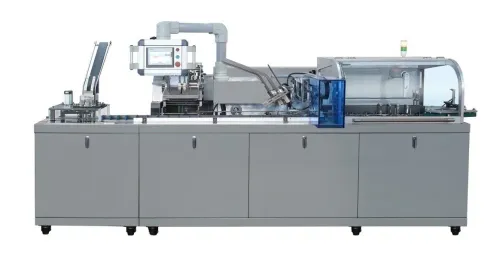
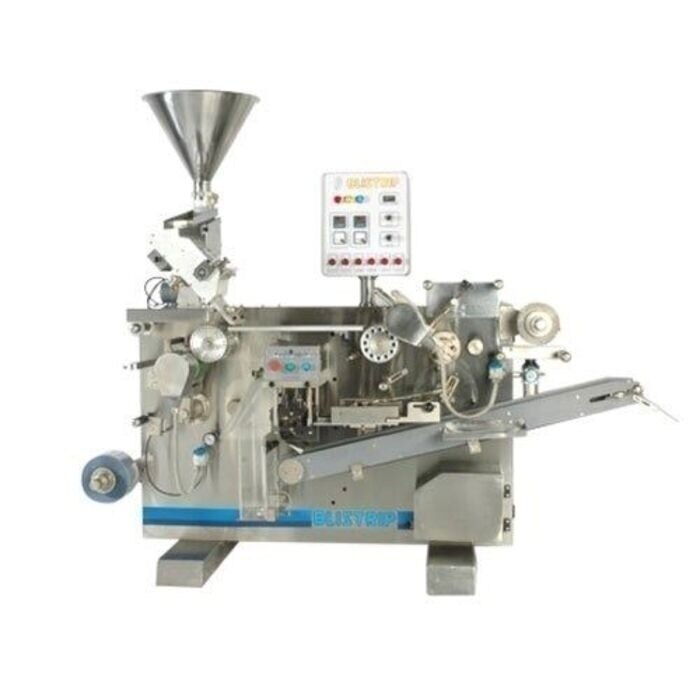
1. The cartoner receives finished blister cards; it does not form or seal the PVC-aluminium card. The blister machine performs those operations, while an automatic cartoning machine for blister packs controls packing and discharge.
2. Feed cards from a counted stack or pocketed conveyor, checking blister presence and the required card count. Separate each carton blank, erect it, and detect a carton jam before the open carton reaches loading.
3. Insert the leaflet, then load the blister in the specified orientation. A sensor or vision check must detect a missing leaflet, misfeed, reversed product or wrong product-and-batch combination before closure.
4. Close the carton with tuck-in flaps or adhesive, then print or verify the batch or lot code at its defined position. Check for an open flap and remove rejected packs into a identified, controlled bin; reject confirmation matters as much as reject detection.
5. Before approving an automatic blister packaging cartoner in India, define the interface with the blister machine in writing. Confirm blister pitch, card length and width, stack height, orientation and transfer height, plus carton and leaflet dimensions. A mismatch causes skewed cards, double feeds, empty cartons or damaged edges even when both machines run correctly.
6. Verify inspection records for card presence or count, leaflet presence, carton jam, open flap, misfeed, product orientation and product-batch identity. Do not treat carton discharge alone as proof of a complete pack; only validated sensors, vision or count controls establish that result.
Calculate the Thane Business Case Using Accepted Output
Use accepted output, not the nameplate speed. If a cartoner delivers 80 good cartons per minute, runs two shifts of eight hours for 26 days, achieves 75% OEE and produces 3% rejects:
Accepted cartons = 80 × 60 × 2 × 8 × 26 × 0.75 × 0.97 = 1,452,672 cartons per month.
| Cost item | Manual packing | Automated cartoning |
|---|---|---|
| Labour | Operators per shift × loaded hourly cost × hours | Machine operators × loaded cost × hours |
| Operating cost | Inspection and material waste | Maintenance, air, electricity and coding consumables |
| Fixed or periodic cost | Usually low | Change parts, validation and training |
| Lost output | Absence, fatigue and stoppages | Changeovers, faults and planned downtime |
A blister cartoner versus manual packing comparison should calculate total cost per accepted carton as: (labour + waste + rejects + utilities + maintenance + change parts + validation + training + downtime cost) ÷ accepted cartons. Payback period equals installed automation cost ÷ annual manual cost minus annual automated cost.
Use actual shift records and trial data, not advertised maximum speed.
Manual packing remains sensible for low volume, frequent SKU variation or promotional work. A machine that spends hours changing formats, waiting for maintenance or completing validation can cost more than the labour it replaces. Automation earns its place with stable, repetitive demand and enough volume to spread those costs.
Specify Formats, Changeovers and Motion Before Requesting a Quote
One cartoner fits a product family only when its format parts, infeed motion and controls match every planned SKU. Specify performance at your actual SKU mix, not the advertised maximum speed.
- Throughput in good cartons per minute, carton-size range, blister dimensions and stack height
- Tube diameter and length, or bottle and bar geometry, weight and shape
- Product orientation, leaflet size, tuck-in or glue closure, and coding position
- Change parts, recipe storage, adjustment scales and line-clearance procedure
| Option | Speed and motion | Product control, noise and fragile handling | Changeover |
|---|---|---|---|
| Intermittent cartoning | Stops the product and carton during loading; suits controlled, moderate-speed handling | Gives precise blister positioning, lower motion and noise, and gentler handling of fragile cards | Simpler access and format adjustment, but output pauses at every cycle |
| Continuous cartoning | Keeps product and carton moving; supports higher sustained speed | Requires accurate timing and infeed control; creates more motion and noise and demands careful handling of weak blisters | More complex synchronisation and change parts can lengthen setup |
A cartoning machine for ointment tubes needs tube pockets, flights, guides or orientation controls matched to diameter, length, shoulder, cap and crimp orientation. Bottles and bars need their own pockets and format parts; a blister specification cannot be transferred to them.
Ask for a trial using the smallest and largest planned formats on the automatic cartoning machine for blister packs. Require a demonstrated changeover with line clearance, leaflet and carton replacement, settings recall, reject checks and first-off approval before counting production time.
Confirm that the quote includes coding at the required position, not merely space for a coder.
Make Automation Reliable in Thane: Controls, Environment and Support
Carton board is the first Thane-specific risk: monsoon humidity can soften blanks, disrupt separation and cause erection or flap-closing faults. Validate the actual board grade, storage conditions, adhesive performance and environmental limits, not only a dry factory demonstration.
Before choosing an automatic blister packaging cartoner india supplier, verify:
- Filtered, dry compressed air at the specified pressure; oil or water carryover can damage valves and sensors.
- Tool-free cleaning access, visible machine status, validated sensors, confirmed reject removal and safe access to product-contact areas.
- Coding and vision integration for batch, expiry, leaflet, carton and blister checks; define serialization, aggregation, database links and validation in the URS.
- GMP line clearance that removes previous cartons, leaflets, blisters, coding data and rejects before release.
| Trial condition | What to verify | Failure exposed |
|---|---|---|
| Dry factory trial | Speed and basic feeding | Hides humid-board faults |
| Thane site trial | Board, adhesive, air and cleaning access | Reveals local operating risks |
| Actual product trial | Blisters, cartons, leaflets and tubes | Proves format and changeover control |
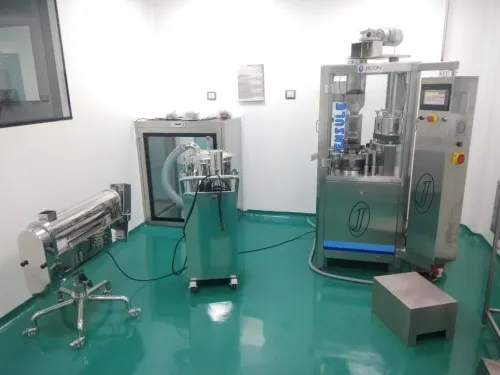
Automatic operation is not contamination control. Document material and personnel flow, reconciliation and rejected-pack handling under your GMP system, including Schedule M expectations for pharmaceutical packaging.
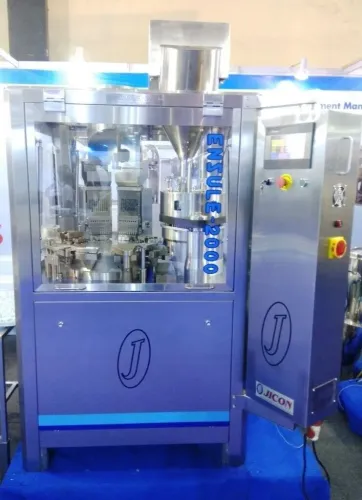
For the benefits of a blister cartoning machine for benefits in thane, ask Jicon Technologies Pvt Ltd or another supplier for a factory or site trial, maintenance response time, spare-parts availability, trained controls support and documented changeover performance. Accept the line only after first-off approval and a recorded clearance check.
Related products
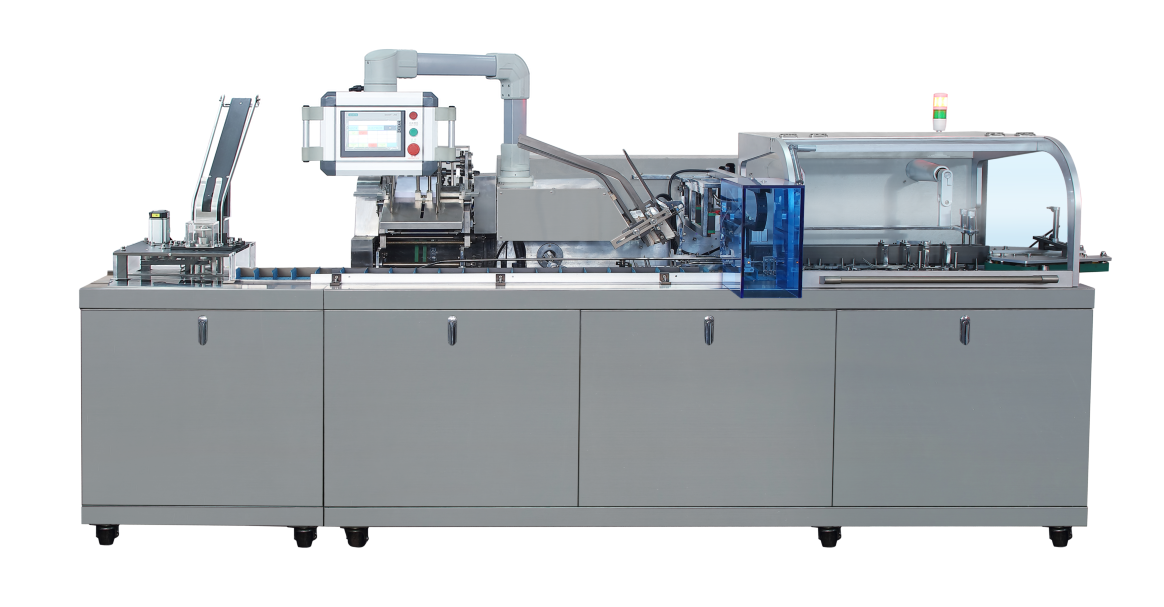 | Accessories & Ancillary Equipments Auto Cartonator for Blistered Strips and Tubes JCT-100 and JCTBL -100 are truely powerful horizontal cartoning machines of intermittent motion. View product → |
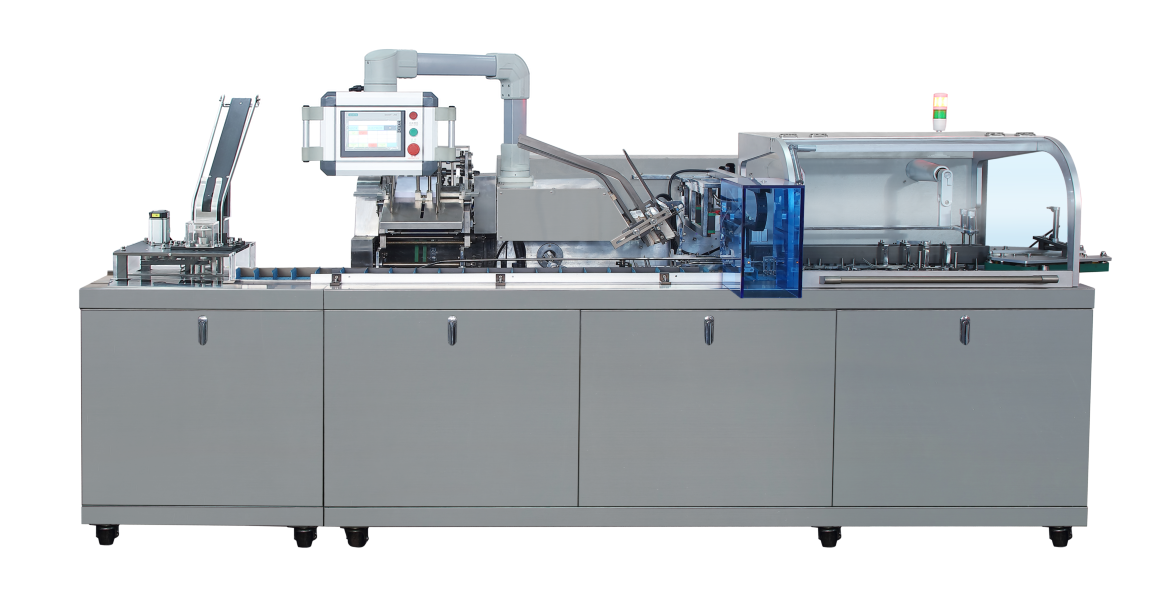 | Accessories & Ancillary Equipments Automatic Cartoning Machine for Blisterpacks Ointment Tubes and others JCT-100 and JCTBL -100 are truely powerful horizontal cartoning machines of intermittent motion. |
Frequently asked questions
Where does a blister cartoner outperform manual packing?
It improves repeatability, reduces operator dependency and controls carton loading, leaflet insertion and closing at a defined rate. Compare accepted cartons per minute and reject rate against manual packing for the same SKU and shift.
How does an automatic cartoning machine control each blister pack?
The sequence typically erects a carton, feeds the blister, inserts the leaflet when specified, closes the carton and rejects packs that fail a sensor or timing check. The exact sequence depends on the carton and blister format.
How should a Thane business calculate the case for a blister cartoner?
Use accepted output rather than advertised speed, then compare labour hours per batch, inspection workload, reject costs, changeover time and utilisation against the machine’s operating and maintenance costs.
What should you specify before requesting a cartoner quote?
Provide blister and carton dimensions, product count, leaflet size, required output, SKU range, changeover target, carton closure, line layout, controls, room conditions and service expectations.