
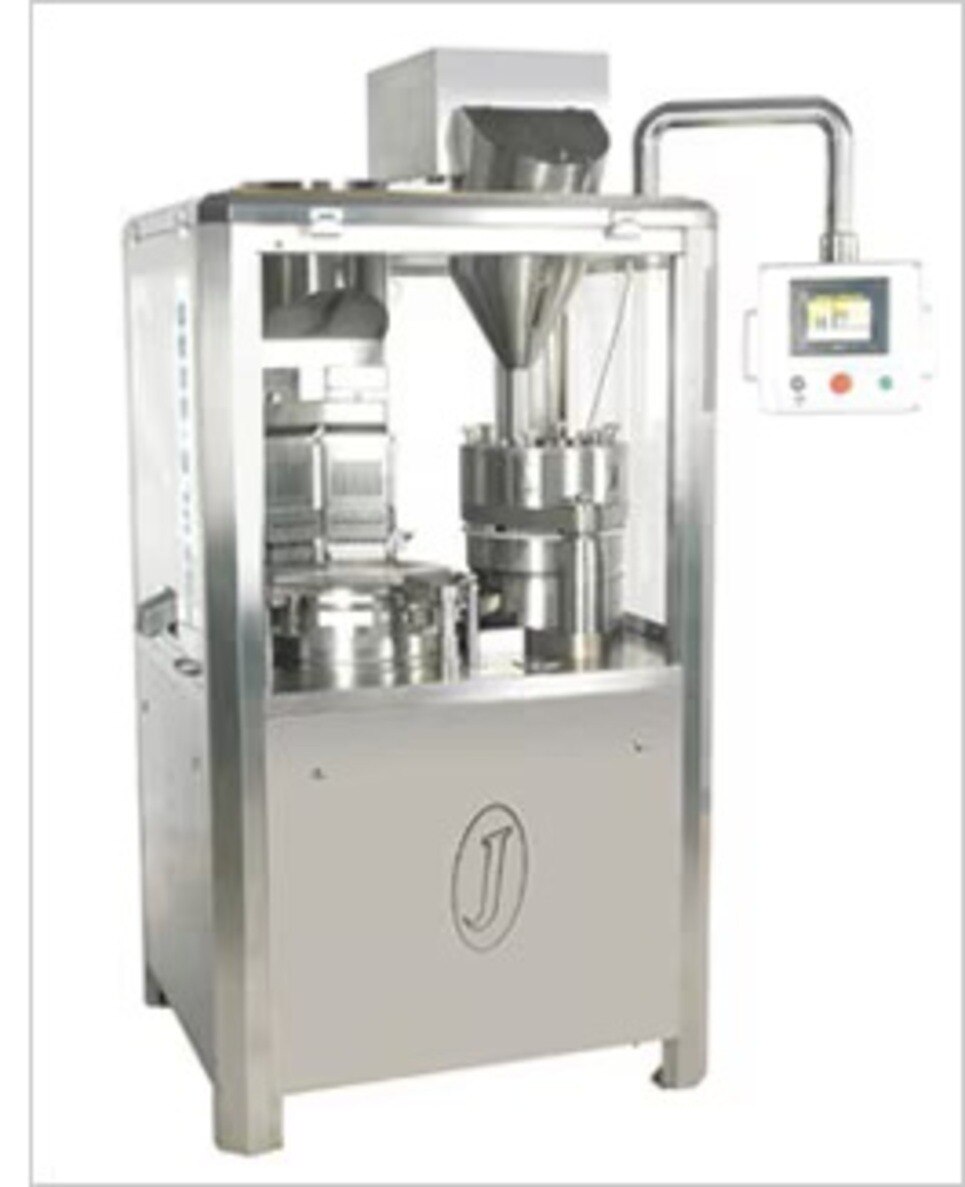
A machine arriving at your Riyadh site is not the same as a machine ready for controlled production. You will be able to define the handover, test the filler, prepare your operators, and negotiate support terms that limit avoidable downtime.
Key takeaways
- Approve utilities and site access before shipment.
- Require documented trial batches before releasing the filler to production.
- Separate operator faults from service failures and process-development issues.
- Confirm Riyadh spares, response times and escalation contacts in writing.
What should happen between delivery and the first production batch?
The handover runs from site approval before shipment to documented trial batches, not from crate arrival to a signed delivery note. Automatic capsule filler delivery support should assign each task to the supplier or buyer.
1. Before shipment, confirm door and route dimensions, floor loading, room temperature, relative humidity, extraction, dust control, clean-room status, maintenance clearance, and safe access to filters and service panels. Obtain the supplier’s exact electrical load, protection requirements, compressed-air pressure and air-quality limits; never copy values from another machine.
2. On arrival, photograph the crate, seals and machine, then inspect for impact, moisture and missing format parts. Use a lifting and unloading plan that protects the frame, dosing components and capsule tooling.
3. Position the filler on adequate floor support with service clearance. Connect the specified electrical supply, compressed air, vacuum and dust-control systems, then verify utilities before energising the machine.
4. Install the correct capsule-size tooling. Complete product-contact cleaning, permitted-detergent, drying and inspection checks, safety guards, emergency stops, alarms and filter access checks.
5. Run empty-machine checks, capsule loading, format changeover, trial batches with approved product or placebo, rejection checks and operator training. Training must cover line clearance, jams, rejected capsules, cleaning, emergency stops and restart checks.
6. The buyer supplies trained operators, utilities, a clean room and batch records. An automatic capsule filling machine exporter supports installation and commissioning, not facility construction, utility building, formulation development, GMP-release approval or repair of customer-supplied equipment.
How do you prove that the installed filler is ready for production?
A signed delivery note proves receipt, not production readiness. Require acceptance evidence through a documented automatic capsule filler delivery support plan, with criteria agreed before shipment.
1. Record Factory Acceptance Testing (FAT) results for the agreed capsule type and size, target fill-weight range, permitted variation, operating speed, empty-capsule rejection rate, product-loss limit, changeover time and required utilities.
2. Complete Site Acceptance Testing (SAT) at the Riyadh site. Confirm installation, electrical supply, compressed air, vacuum, dust control, format parts, guards, alarms, emergency stops and trial performance.
3. Complete Installation Qualification (IQ) against the machine identification, component list, asset register, utilities, electrical and pneumatic drawings, calibration certificates and installation records.
4. Complete Operational Qualification (OQ) by challenging operating ranges, sensors, interlocks, emergency-stop circuits, alarm recovery and controlled restoration of saved parameters.
5. Complete Performance Qualification (PQ) for commercial production using the actual formulation, capsule size, tooling and trained operators. Demonstrate repeatable output, not just a headline capsules-per-hour figure.
6. Require the operating manual, parts list, lubrication schedule, training attendance record, software and parameter backups, user-access controls, audit-trail information and cleaning instructions.
7. Approve a written fill-weight sampling plan naming balance resolution, sample frequency, test method, alert and action limits, rejection records, yield reconciliation, product-loss review and responses to out-of-limit results.
The automatic capsule filling machine exporter after delivery in Riyadh should provide these records for technical qualification. Your quality unit must still approve change control, data integrity and GMP release. Calibration and software records are delivery evidence, not optional extras.
Which problems need an operator fix, a service engineer or process development?
Use the fault boundary below: operators recover documented setup and minor stoppage faults; service engineers handle mechanical, vacuum and repeated-control failures; process development handles formulation or application mismatches.
- Operator: correct a documented capsule-size mismatch, reinstall format parts, restore interrupted capsule supply, clear a routine jam, replace a blocked vacuum filter, or respond to a sensor alarm after the approved stop, isolate, inspect and restart procedure.
- Service engineer: attend misaligned capsule segments, persistent dosing variation after approved setup checks, low vacuum, an overheating drive or bearing, repeated sensor failure, poor capsule locking, or powder leaking into the closing station.
- Process development: intervene when the formulation cannot form reliable slugs or dose consistently, or when the product is liquid, semisolid or softgel, requires very small development batches, or needs capsule polishing only.
| Fault category | Boundary | Consequence |
|---|---|---|
| Operator fix | Documented setup or recoverable stoppage | Unauthorised adjustments can damage tooling or create undocumented interventions |
| Service engineer | Repeated, overheated, misaligned or persistent machine fault | Continued running can worsen damage and compromise capsule quality |
| Process development | Unstable formulation, unsuitable product or dosing method | Machine adjustments will not correct the application mismatch |
Hard gelatin capsules become brittle at low humidity and soften or deform at excessive humidity. Control the capsule-shell supplier’s specified temperature and relative-humidity range, not a brochure estimate. Poor flow, segregation, electrostatic charge, excessive fines, high moisture, weak slugs, inconsistent bulk density or tamping-force drift can cause weight variation, leakage and stoppages.
Pellets and mini tablets need suitable dosing and transfer settings. An automatic capsule filling machine exporter should define these boundaries in training and escalation instructions.
How should Riyadh support cover maintenance, spares and urgent stoppages?
A workable Riyadh arrangement turns automatic capsule filler delivery support into dated tasks, response times and named responsibilities. After commissioning, schedule checks per shift, weekly, monthly and at defined running-hour intervals.
Inspect dosing components, tamping stations, capsule segments, vacuum filters, sensors, seals, bearings, belts, springs, fasteners and lubrication points; record cleaning, wear findings and replacement decisions.
- Request commissioning-spares recommendations and a critical wear-parts list.
- Record storage temperature and humidity limits, shelf-life controls, local stock location and current lead times.
- Identify every substitute part by material, dimensions, revision, fit, validation impact and warranty status.
The service-level agreement should name Riyadh contacts, Arabic and English support channels, service hours, the remote-diagnostic procedure, remote-session approval, on-site response time, spare-parts dispatch time, restoration target and escalation path. Require site approval for diagnostic-file transfers, network access, software changes and backups.
| Support route | Strength | Main trade-off |
|---|---|---|
| Exporter | Direct diagnostic access and parts accountability | Travel time and accommodation cost |
| Saudi service agent | Faster local attendance and language coverage | Confirm technical authority and parts control |
| In-house team | Immediate first response and low travel cost | Training, tools and OEM access remain your responsibility |
Price warranty duration and exclusions separately from travel, accommodation, consumables, software and controls support, emergency call-out fees, training limits and commissioning. Warranty wording must distinguish defects from wear, poor utilities, operator damage, formulation limits and unapproved changes. Ask the exporter to state who restores production when a critical spare is unavailable.
What should you confirm with an exporter before ordering for Riyadh?
Ask the exporter to turn post-delivery support into written, measurable commitments before you compare quotations. The phrase automatic capsule for filling machine exporter after delivery in riyadh describes a procurement need, not a machine specification.
1. Request Saudi installed-base details, Riyadh engineer availability, reference sites, named customer contacts, service hours, training scope, commissioning deliverables and a written service-level agreement. Record remote response time, on-site response time, spare-parts dispatch time, restoration target, escalation steps and the stock location for sensors, seals, springs, vacuum filters, dosing parts, belts and format tooling.
2. Mark every quotation line: FAT, shipment inspection, installation, SAT, operator training, IQ and OQ documents, production trials, calibration records and remote support. Require the supplier to identify exclusions for travel, utilities, product, wear parts, software and emergency call-outs.
3. Confirm batch-data ownership, secure diagnostic-file transfer, remote-session approval, user accounts, backups and vendor network access. Put PLC logic, dosing discs, tamping pins, product-contact parts and operating parameters under change control, with material, dimensions, revision and requalification impact recorded.
4. Treat ensule machine support in riyadh as a question, not an established service category. Verify a named Riyadh contact, engineer coverage, response time and spare-parts route; the available information does not establish a Riyadh office or local service footprint.
Jicon Technologies Pvt Ltd belongs on your shortlist only after it confirms these points in writing. You remain responsible for room readiness, utilities, trial product, trained operators, batch records, SAT approval, cleaning records and agreed spare holdings.
Related products
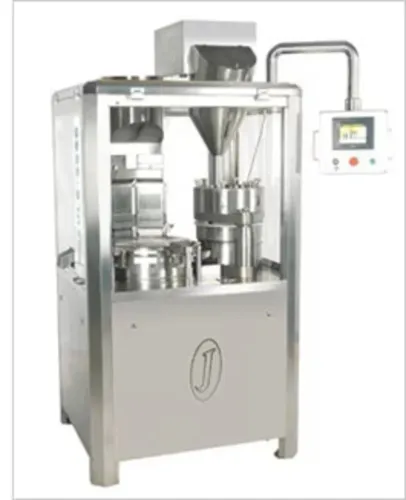
 | Capsule Filling Machines Automatic Capsule Filling Machines ENSULE Our ENSULE series of machines are Fully Automatic Capsule Filling machines used to fill powders (in the form of slugs, pellets or mini tablets) in... View product → |
 | Capsule Filling Machines ENSULE: Automatic Capsule Filling Machines ENSULE series of machines are Fully Automatic Capsule Filling machines used to fill powder in the form of slug in hard gelatin capsules. View product → |
Frequently asked questions
What should happen between delivery and the first production batch?
Complete site checks, utility connection, installation, operator training, tooling inspection and documented trial batches before routine production.
How do you prove that the installed filler is ready for production?
Use signed installation and operational checks, then record capsule weight, lock quality, machine speed, rejects and trial-batch results against approved limits.
Which problems need an operator fix, a service engineer or process development?
Operators handle setup, cleaning and approved adjustments; service engineers handle mechanical, electrical and control faults; process development handles formulation, powder flow and capsule-filling performance.
How should Riyadh support cover maintenance, spares and urgent stoppages?
Agree preventive-maintenance intervals, critical spare-part stock, remote troubleshooting, on-site response targets and a named escalation contact before purchase.
What should you confirm with an exporter before ordering for Riyadh?
Confirm site approval, installation scope, training, documentation, warranty exclusions, spare availability, local service arrangements and acceptance-test responsibilities.
Related product
 | Capsule Filling Machines Automatic Capsule Filling Machine ENSULE 2000 ENSULE 1500 ENSULE 750 ENSULE 400 ENSULE 200 Our ENSULE series of machines are Fully Automatic Capsule Filling machines used to fill powders (in the form of slugs, pellets or mini tablets) in... |