
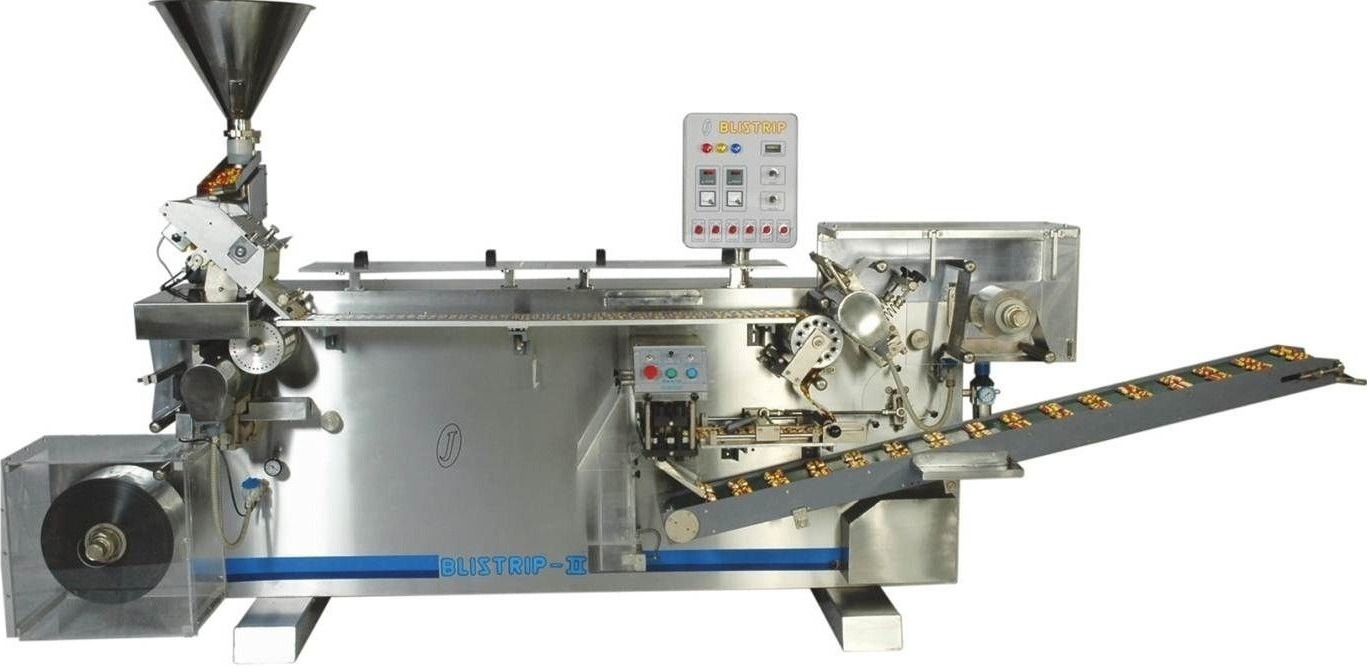
Flat plate blister systems offer a controlled intermittent packaging process where tooling, product feeding and pack design can be tailored to the intended application.
The flat plate approach performs forming, sealing, indexing and punching as coordinated intermittent operations. This makes the technology relevant to manufacturers that need a defined blister format while retaining attention to tooling and changeover.
When evaluating a Flat Plate Blister Packing Machine Manufacturer, the first step is to establish the product and packaging material. Jicon's published ALBLIS information describes configurations for Alu-Alu cold forming and PVC-Alu thermoforming, with feeding arrangements adapted to different applications.
Product geometry is equally important. Tablets, capsules and dragees may require different feeding arrangements, while products such as vials, ampoules and tubes can require other configurations.
Pack dimensions and forming depth also influence tooling. This is why a buyer should provide actual product and packaging specifications before requesting a final machine configuration.
Changeover deserves attention where multiple formats are manufactured. Quick adjustments can help reduce non-productive time and make the equipment more practical for varied production schedules.
The right choice is therefore not simply the machine with the largest capacity. It is the configuration that connects product handling, packaging material, tooling and expected production requirements effectively.
For flat plate blister packaging requirements, discuss your product formats and pack specifications with Jicon Technologies Pvt Ltd in United Arab Emirates.